


Network Security for Philippine Businesses: Five Layers and a Legal Clock
Published: July 14, 2026 | Last Updated: July 14, 2026
Network security for a Philippine business means five layers working together: a perimeter firewall, segmentation, wireless encryption, access control, and monitoring, built around a regulatory reality where a data breach can trigger a mandatory disclosure deadline, not just an internal fix.
Quick Answer
-
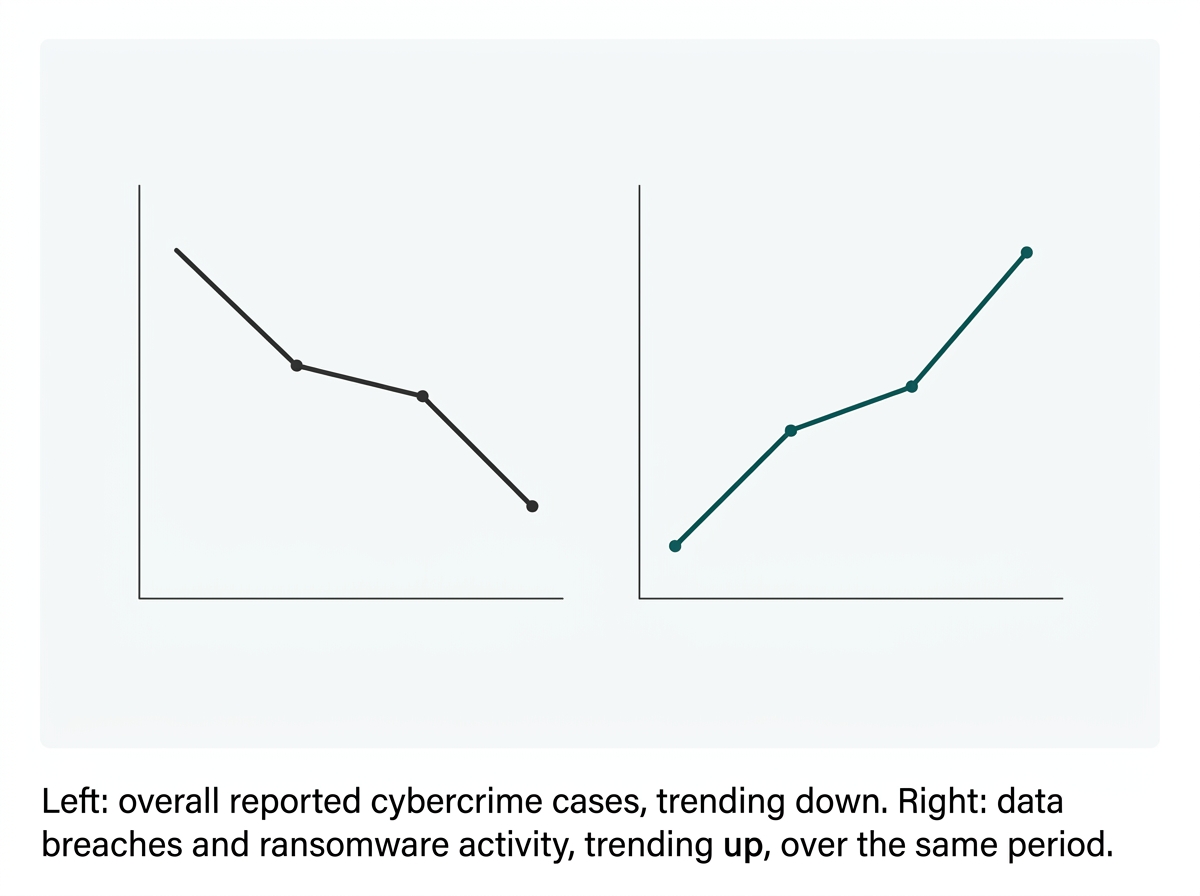
Philippine businesses face declining overall cybercrime but rising data breaches and ransomware, with illegal access to systems or data as the second-largest category of reported cyber-related complaints.
-
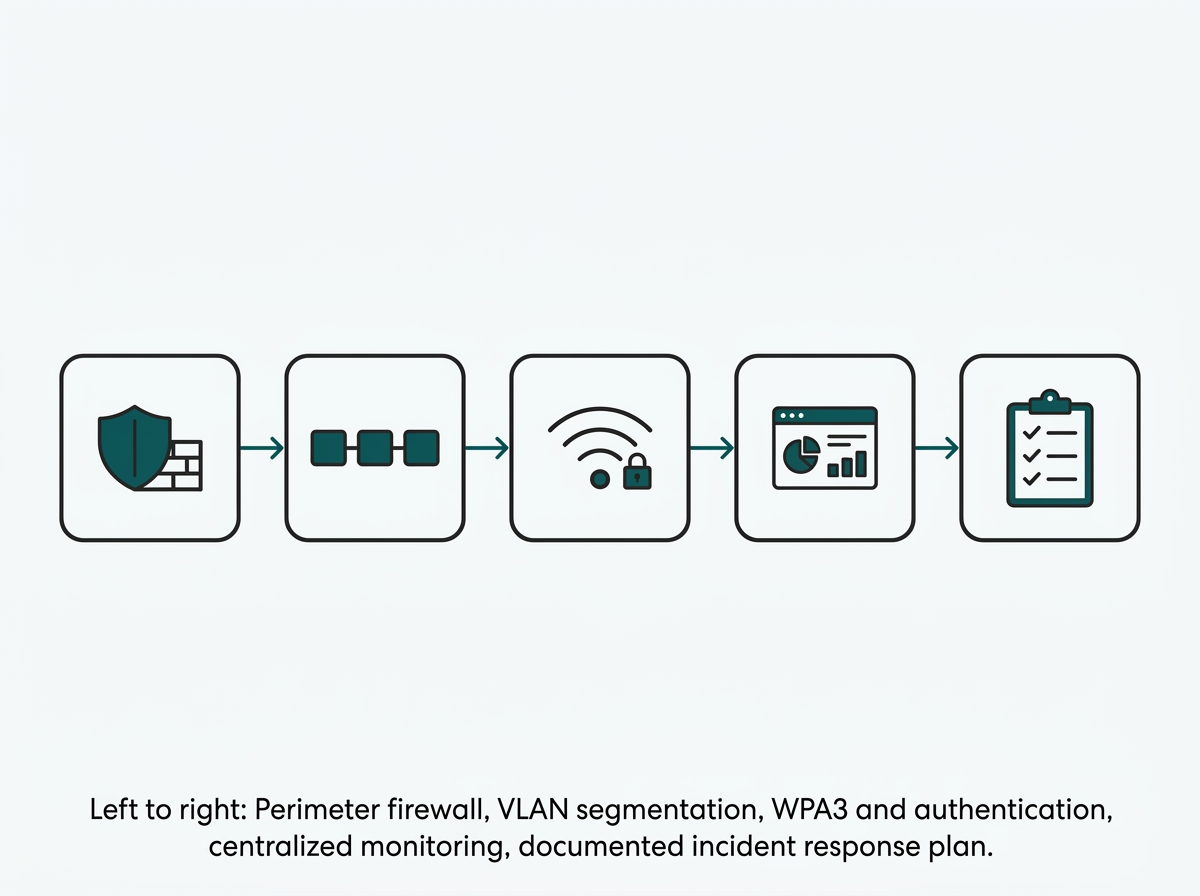
Network security isn't one product; it's five layers: perimeter firewall, segmentation, wireless security, access control, and monitoring, each catching what the layer before it misses.
-
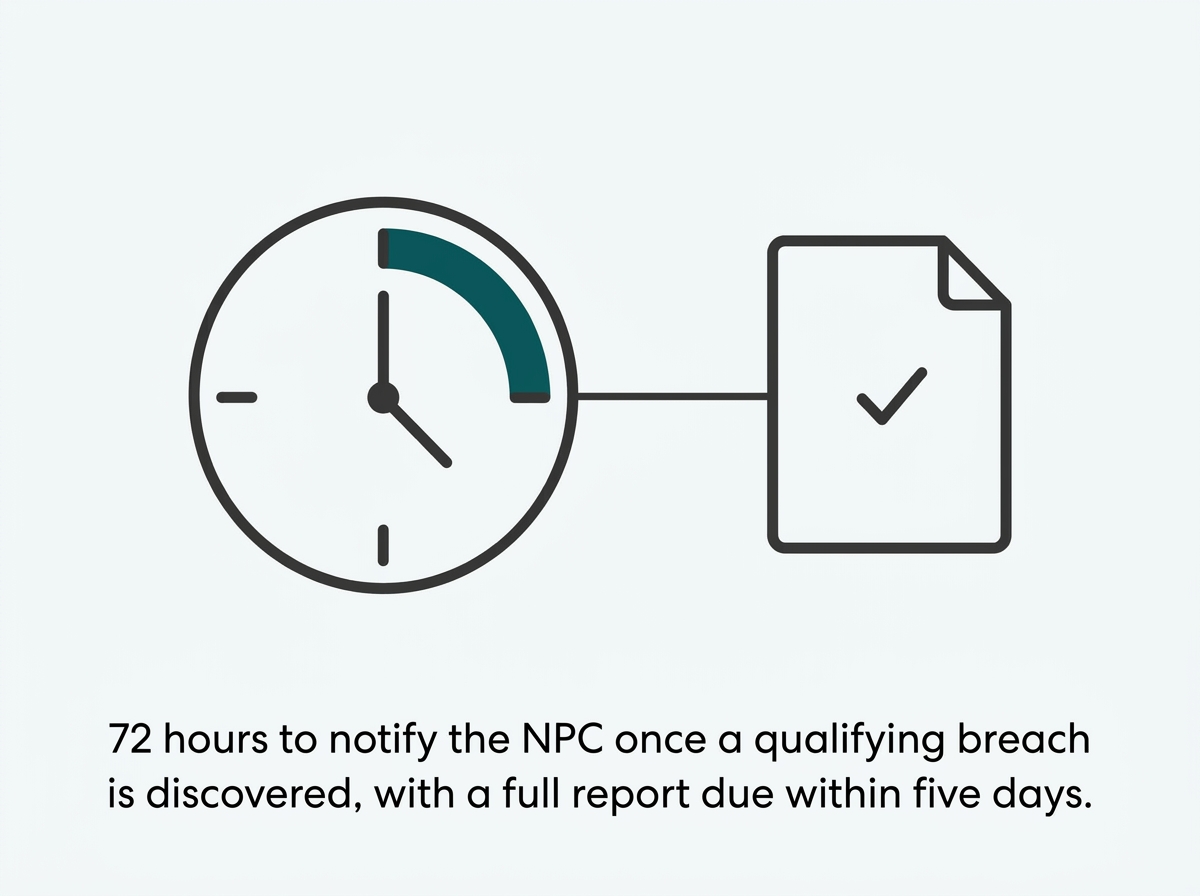
A breach involving personal data can trigger a 72-hour National Privacy Commission notification deadline under NPC Circular 16-03, which makes strong technical controls a compliance matter as much as an IT one.
Table of Contents
Philippine Businesses Face Declining Overall Cybercrime, but Rising Data Breaches and Ransomware
What Does a Layered Network Security Setup Actually Include?
Why a Network Security Breach Is Also a Legal Deadline in the Philippines
How Does Network Segmentation and Access Control Reduce Breach Risk and Scope?
What Are the Steps to Build a Layered Network Security Posture?
This guide builds on our Network Infrastructure & Design and Business WiFi Solutions Philippines pillars, focusing specifically on the security layer that sits across both.
Philippine Businesses Face Declining Overall Cybercrime, but Rising Data Breaches and Ransomware
The Philippine National Police Anti-Cybercrime Group (PNP-ACG) reported fewer cybercrime incidents across most major scam categories in 2025 compared to 2024, crediting sustained cyber patrolling and public awareness efforts; online selling scams alone dropped by nearly half. At the same time, independent threat intelligence firms tracking the Philippines reported data breaches and ransomware attacks both increasing over the same period, with breach activity in the third quarter of 2025 compromising tens of millions of credentials.
The Department of Information and Communications Technology's own monitoring briefer found that online swindling, or "estafa," made up 54% of reported cyber-related complaints, with illegal access to systems or data accounting for another 16%, the second-largest category and the one most directly tied to network security.
What It Means for You: A business owner who reads "cybercrime is down" as a reason to relax about network security is seeing only half the picture. The category actually converging on network infrastructure, illegal access, is climbing even as scam-related crime overall declines.
What Does a Layered Network Security Setup Actually Include?
Network security for a business isn't one product; it's five layers working together, each catching what the layer before it misses.
|
Layer |
What It Protects Against |
Where It Lives |
What It Means for You |
|---|---|---|---|
|
Perimeter firewall/gateway |
Inbound attacks, DoS/DDoS, malicious traffic from the internet |
Gateway/router |
Blocks the bulk of internet-borne attacks before they ever reach a single desk or server. |
|
Network segmentation |
Lateral movement between guest, staff, POS, and IoT devices |
VLANs on managed switches |
Keeps a compromised guest laptop from ever seeing the payroll server down the hall. |
|
Wireless security |
Unauthorized WiFi access, credential interception |
WPA3 on access points |
Stops someone in the parking lot from quietly joining the office network. |
|
Access control |
Unauthorized devices or users joining the network |
802.1X/RADIUS, ACLs, port security |
Make sure only known staff devices, not a stranger's laptop, can even attempt to connect. |
|
Monitoring and logging |
Undetected intrusions and slow incident response |
Centralized controller dashboard and alerts |
Turns "we think something happened last month" into "we caught it within the hour." |
What It Means for You: Buying one strong firewall and calling network security done is one of the most common gaps this table exposes. A gateway with excellent perimeter defense still leaves a business exposed if a guest device sits on the same VLAN as the accounting server.
Why a Network Security Breach Is Also a Legal Deadline in the Philippines
Under NPC Circular No. 16-03 on Personal Data Breach Management, a business that suffers a security incident involving personal data must notify the National Privacy Commission and affected data subjects without delay, and there is no permissible delay at all if the breach affects at least 100 data subjects or involves sensitive personal information likely to cause serious harm. The Commission must be notified within 72 hours based on the information available at that point, with a full report due within five days.
A business that discovers a breach on a Friday afternoon doesn't get to wait until Monday to start the clock. The 72-hour window starts from discovery, not from when it's convenient to investigate, which is why having an incident response plan written before an incident happens matters more here than in a market without this deadline.
Separately, NPC Circular No. 2023-06 sets updated minimum security requirements for any business processing personal data, including registering a data protection officer and data processing systems with the NPC and conducting a privacy impact assessment for every system that touches personal data. The compliance deadline for these requirements was March 2025, meaning they are already in force.
This is what separates network security from a purely technical concern in the Philippines: a breach that would be an embarrassing but quiet fix elsewhere can trigger a hard regulatory clock and mandatory public disclosure here, which makes the technical controls that reduce breach likelihood and scope a compliance matter as much as an IT one.
How Does Network Segmentation and Access Control Reduce Breach Risk and Scope?
Segmentation Limits How Far a Breach Can Spread
Isolating guest WiFi, staff devices, point-of-sale systems, and IoT devices onto separate VLANs means a compromised device on one segment has no direct path to data or systems on another. This principle, and how it applies specifically to guest network compliance, is covered in more depth in our Guest WiFi Best Practices guide.
|
Network Segment |
Typical Devices |
What a Breach Would Expose (Without Isolation) |
|---|---|---|
|
Staff |
Employee laptops, internal servers |
Payroll, HR records, internal file shares |
|
Guest |
Visitor and vendor phones and laptops |
Nothing of the business's own, if properly isolated; everything on a flat network |
|
Point-of-sale |
Card readers, POS terminals |
Payment card data and transaction records |
|
IoT / cameras |
Security cameras, smart locks, sensors |
A stepping stone into whichever segment the device shares, since IoT devices are common attack entry points |
What It Means for You: The value of segmentation only shows up during an actual incident. A business that skips it saves a little setup time upfront and, if a breach ever happens, pays for that shortcut in both the size of the breach and the size of the mandatory disclosure.
Access Control Decides Who and What Gets Onto the Network at All
WPA3 encryption, 802.1X/RADIUS authentication, and MAC-based access control lists work together to keep unauthorized devices off the network in the first place, which is the layer that determines whether segmentation ever needs to do its job.
What It Means for You: Segmentation and access control work as a pair, not substitutes for each other. Access control decides who gets in the door; segmentation decides how far they can go once they're inside. Skipping either one weakens both.
What Are the Steps to Build a Layered Network Security Posture?
Building network security in a business follows five steps, layered from the perimeter inward.
-
Deploy a gateway with firewall policies, DoS/DDoS protection, and deep packet inspection at the perimeter, so malicious traffic is filtered before it reaches internal devices.
-
Segment the network by VLAN according to risk and function: staff, guest WiFi, point-of-sale, and IoT devices, each on its own segment with no unnecessary paths between them.
-
Enforce WPA3 on every wireless SSID and require proper authentication (802.1X/RADIUS where appropriate) rather than a single shared password for staff WiFi.
-
Centralize monitoring and alerts through a single controller dashboard so unusual traffic or a failed device is caught quickly rather than discovered after the fact.
-
Document an incident response plan that accounts for the Philippines' 72-hour NPC breach notification timeline, so the business isn't figuring out its legal obligations for the first time during an actual incident.
What It Means for You: Step 5 is the one businesses most often skip, since it doesn't involve buying hardware. But it's the step that decides whether a breach on a Friday night turns into a calm, practiced response or a scramble to look up NPC requirements while the clock is already running.
Frequently Asked Questions
What should a business do in the first 72 hours after a suspected data breach?
Assess the scope and nature of the breach as quickly as possible, and if it involves at least 100 data subjects or sensitive personal information likely to cause serious harm, notify the National Privacy Commission within 72 hours based on the information available at that point rather than waiting for a complete picture. A full report follows within five days under NPC Circular 16-03.
Is WiFi security enough, or do I need a separate firewall?
WiFi encryption (WPA3) only secures the wireless link itself; it doesn't filter malicious traffic coming from the internet or stop a compromised device from reaching other parts of the network. A gateway with firewall and intrusion prevention features, combined with VLAN segmentation, addresses risks that WiFi security alone doesn't cover.
Does my business need to register with the National Privacy Commission?
If the business processes personal data as part of its operations, which covers the vast majority of Philippine businesses with customers or employees, NPC Circular 2023-06 requires registering a Data Protection Officer and, depending on scale, the business's data processing systems. Confirm specific registration thresholds with the NPC or a data privacy professional, since requirements can vary by processing volume and risk.
How does network segmentation limit the damage of a breach?
It contains a compromise to the segment where it started. A compromised guest device on an isolated guest VLAN has no path to the staff network carrying payroll data or the POS network carrying payment information, which limits both the technical damage and the scope of what needs to be reported as breached.
Should employees connect over VPN when working remotely?
Yes, for any access to internal business systems. A site-to-site or remote-access VPN encrypts traffic between a remote employee and the office network, which matters more given the rise in AI-assisted phishing and social engineering targeting remote and hybrid workers specifically.
Can a small business with no dedicated IT staff realistically maintain all five security layers?
Yes, largely because a single controller dashboard manages most of these layers together rather than requiring separate expertise for each one. Firewall policy, VLAN assignment, WPA3 enforcement, and monitoring alerts are typically configured from the same interface, which narrows the gap between what a small business can maintain and what a larger one with a dedicated security team can.
Does having strong network security reduce the chance of needing to notify the NPC at all?
Indirectly, yes. Strong perimeter defense, segmentation, and access control reduce both the likelihood of a breach occurring and its scope if one does happen, which can mean the difference between an incident affecting a handful of records internally and one crossing the 100-data-subject threshold that triggers mandatory NPC notification.
Final Thoughts
Network security for a Philippine business means five layers working together: a perimeter firewall, segmentation, wireless encryption, access control, and monitoring, built around the reality that a data breach here isn't just a technical incident; it's a legal clock that starts running the moment it's discovered. Getting the technical layers right is what keeps that clock from ever needing to start.
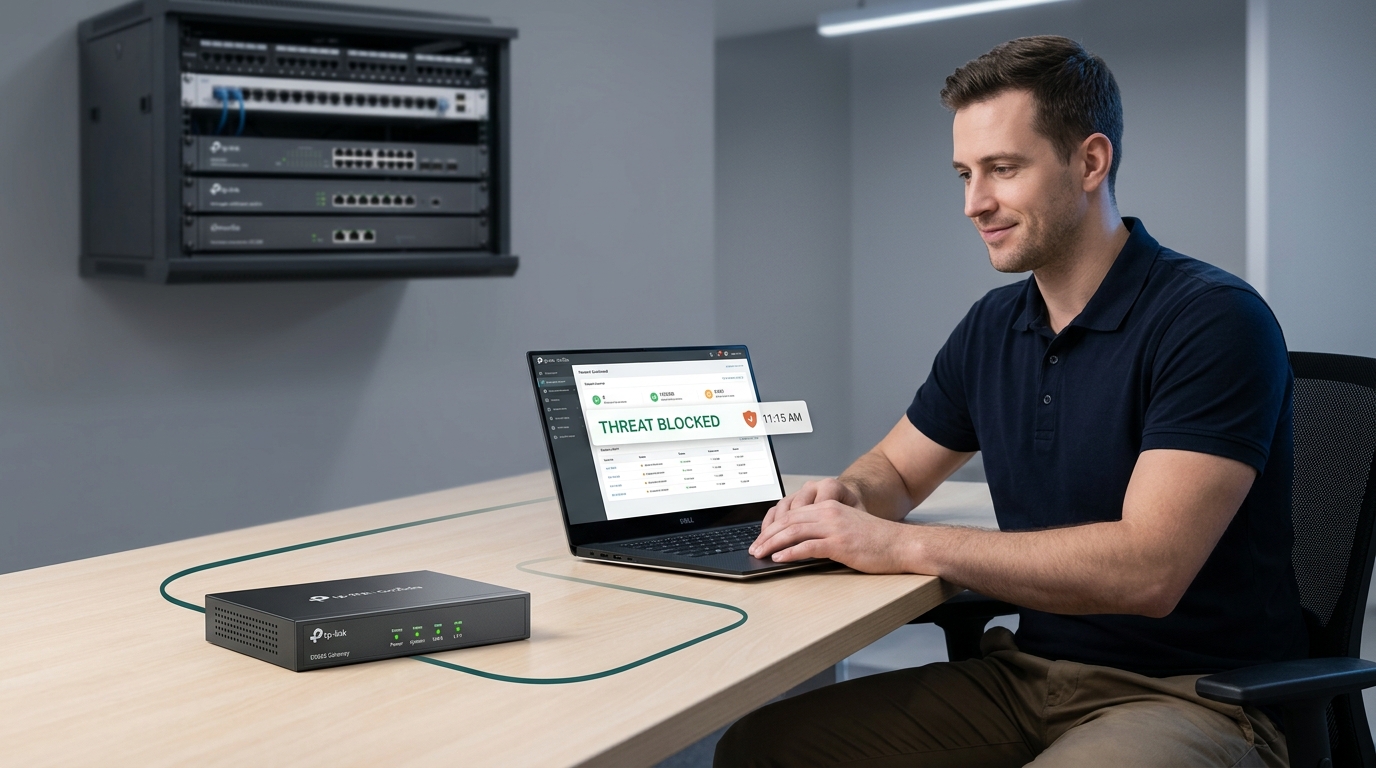
Omada's business gateway and router lineup includes a built-in firewall, DoS/DDoS protection, and VPN support, integrated with the same controller managing switches and access points across the network.
By Laviet Joaquin, Head of Marketing, TP-Link Philippines