


Aggregation Switches
for Business Networks
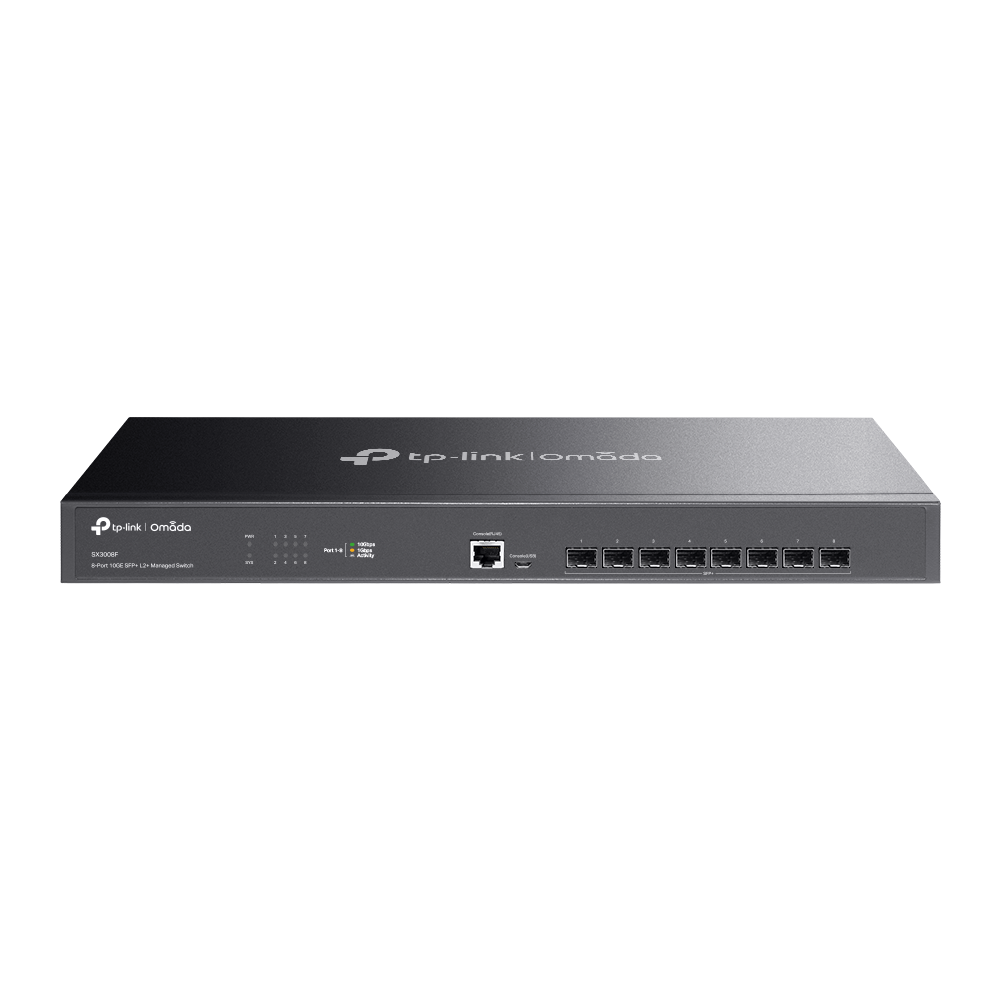
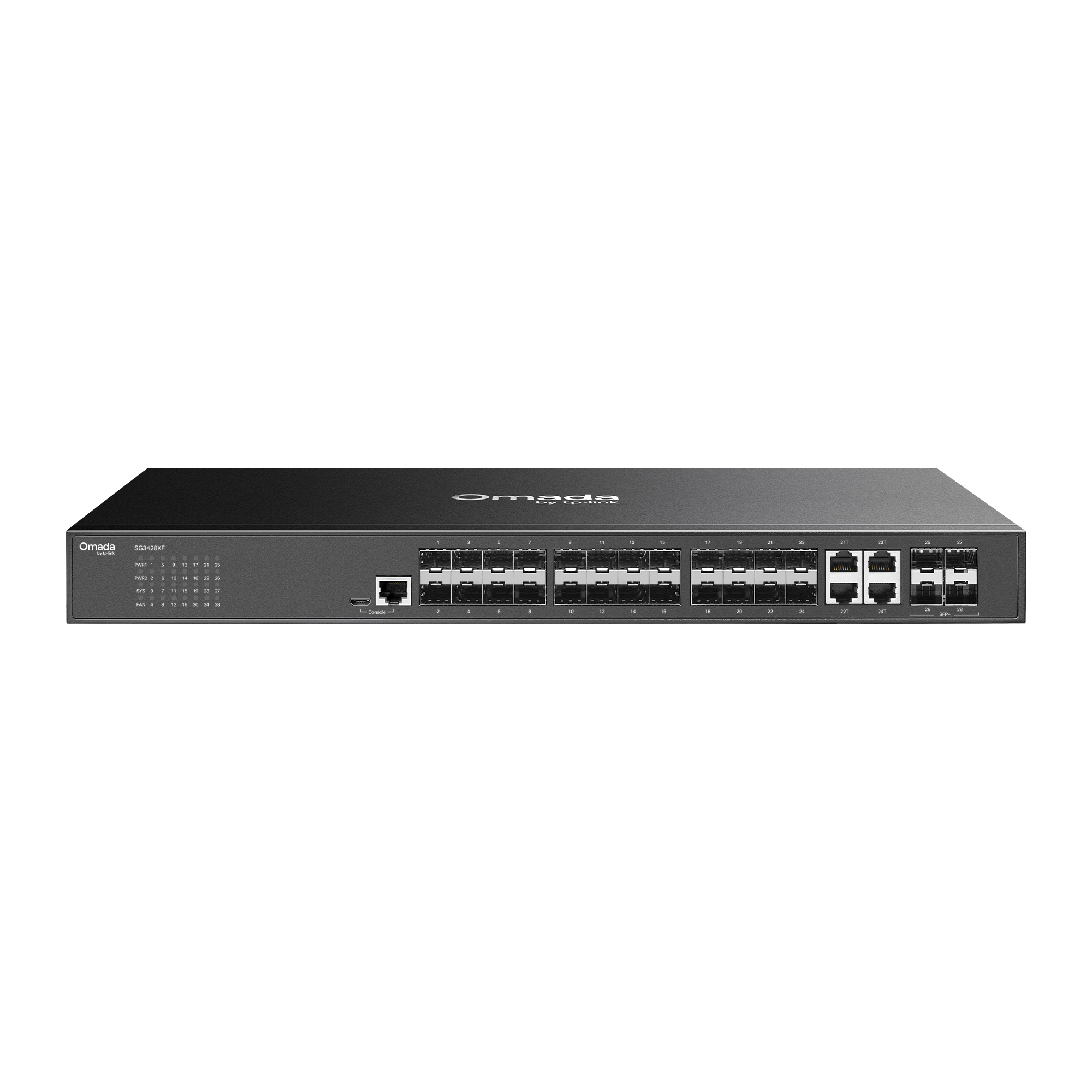
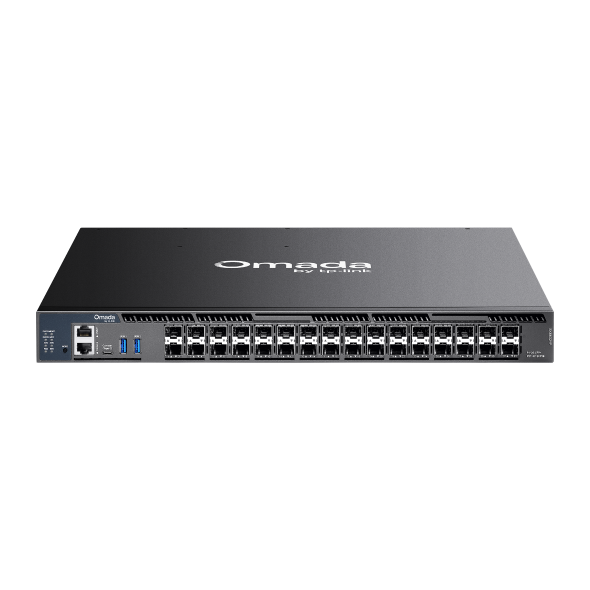
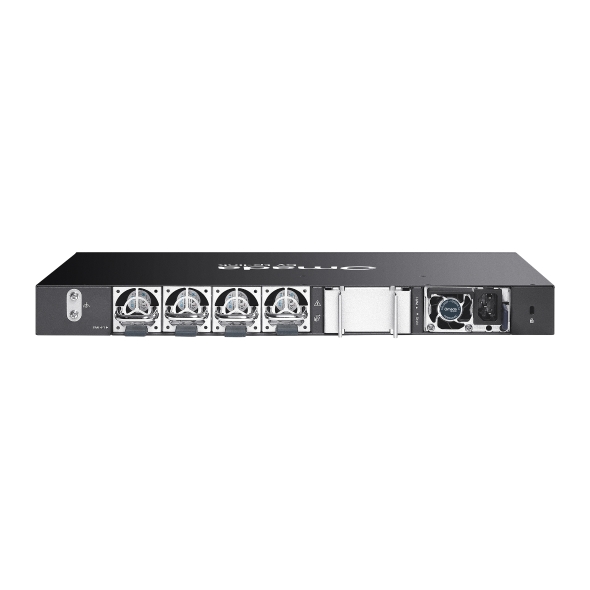
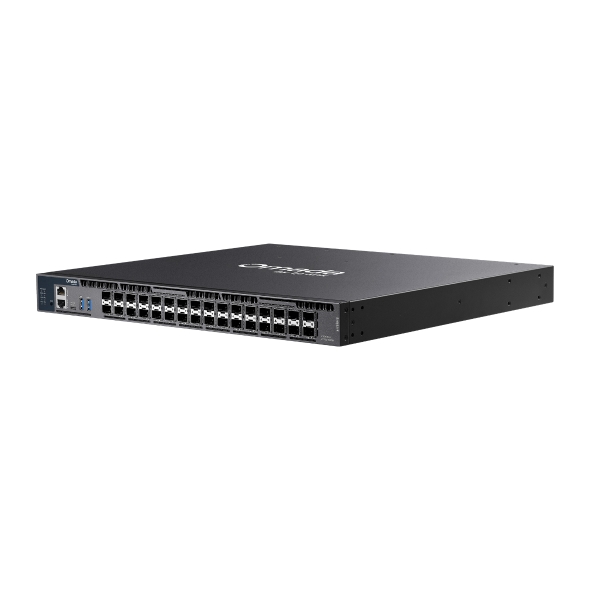
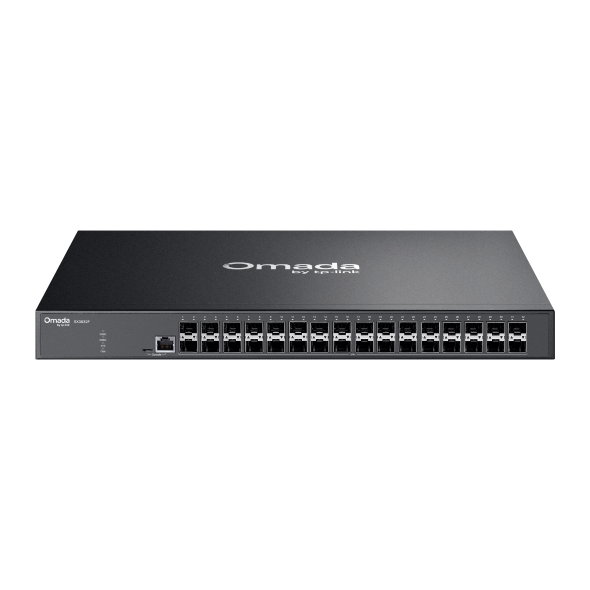
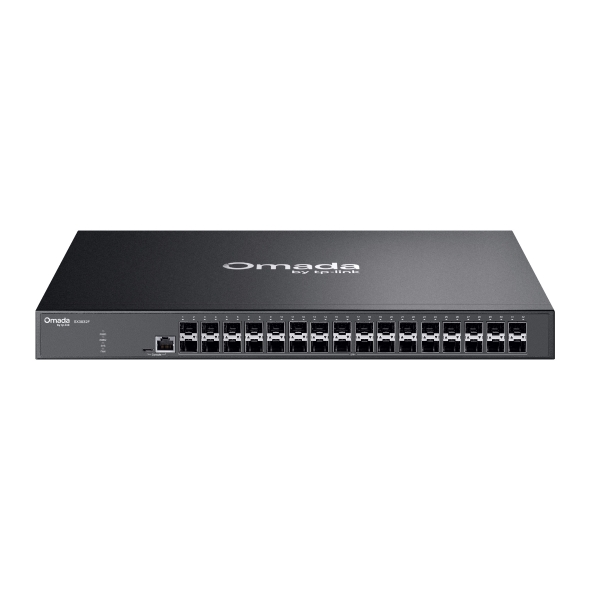
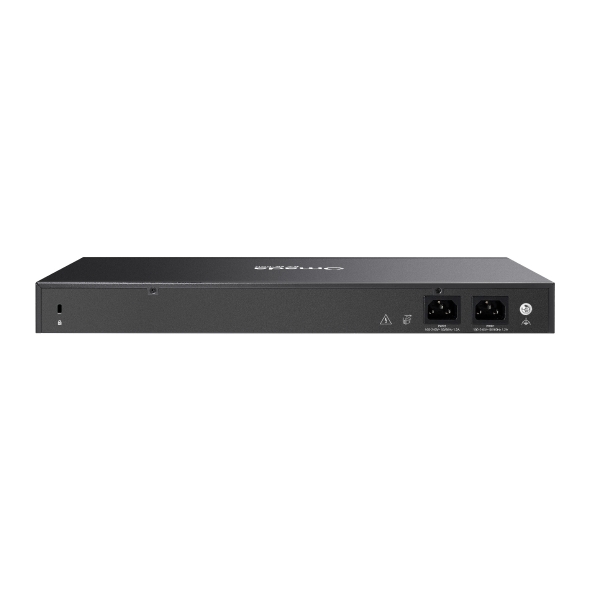
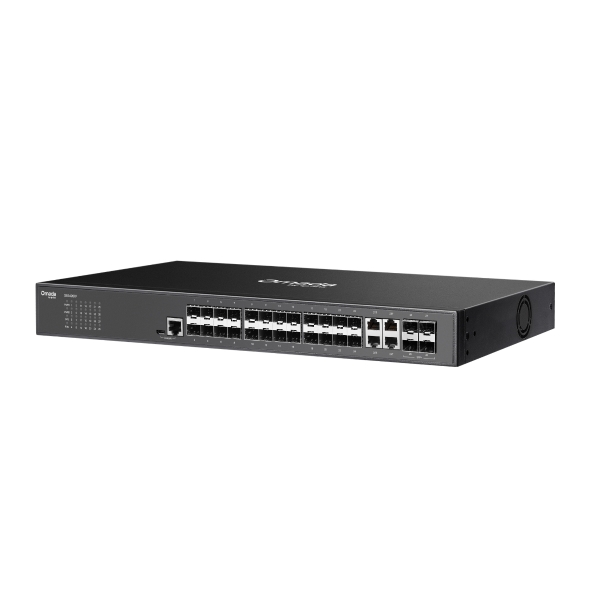
Omada Aggregation switches consolidate traffic from access-layer switches and deliver it upstream with all-fiber port configurations and throughput up to 25 Gbps. Designed for the aggregation layer of SMB networks, these fiber aggregation switches combine advanced Layer 2 and Layer 3 features with centralized cloud management, giving growing businesses the infrastructure to support expanding networks without enterprise-level complexity.

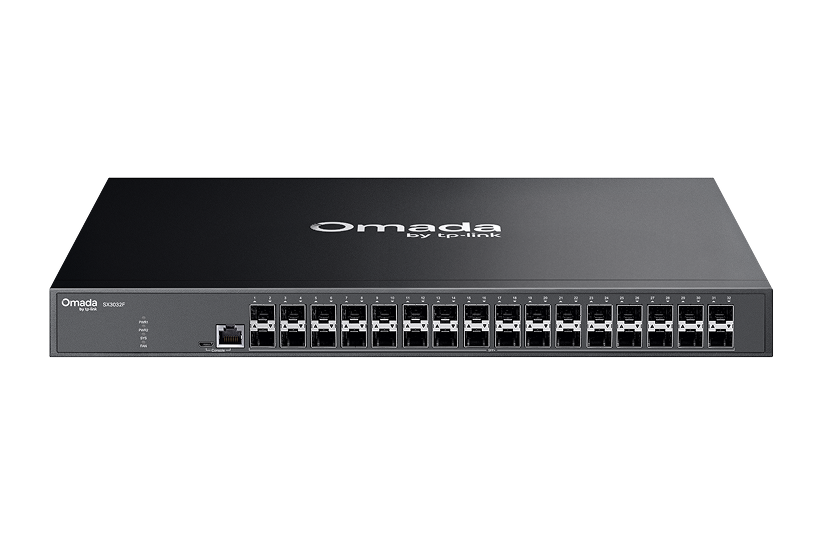
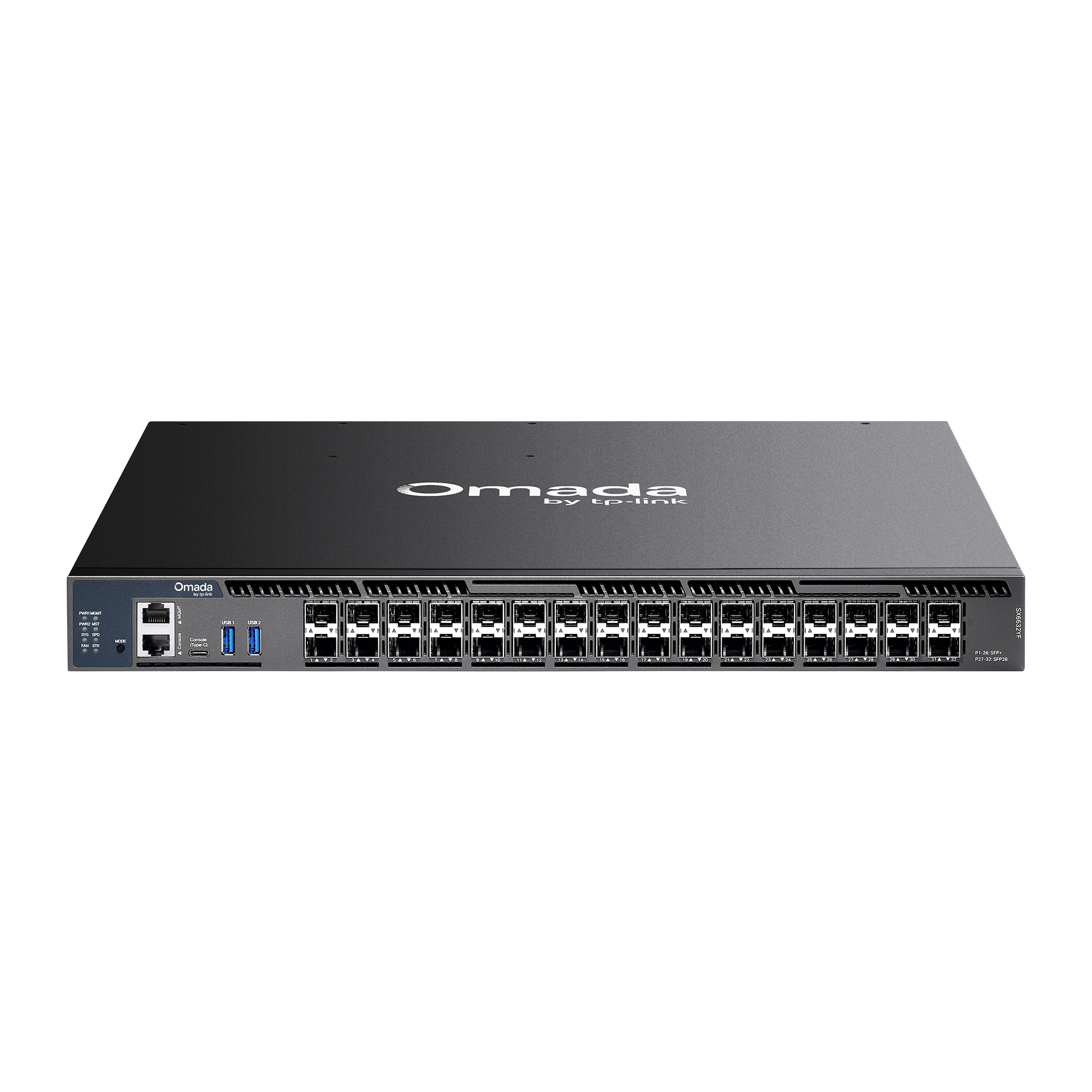 |
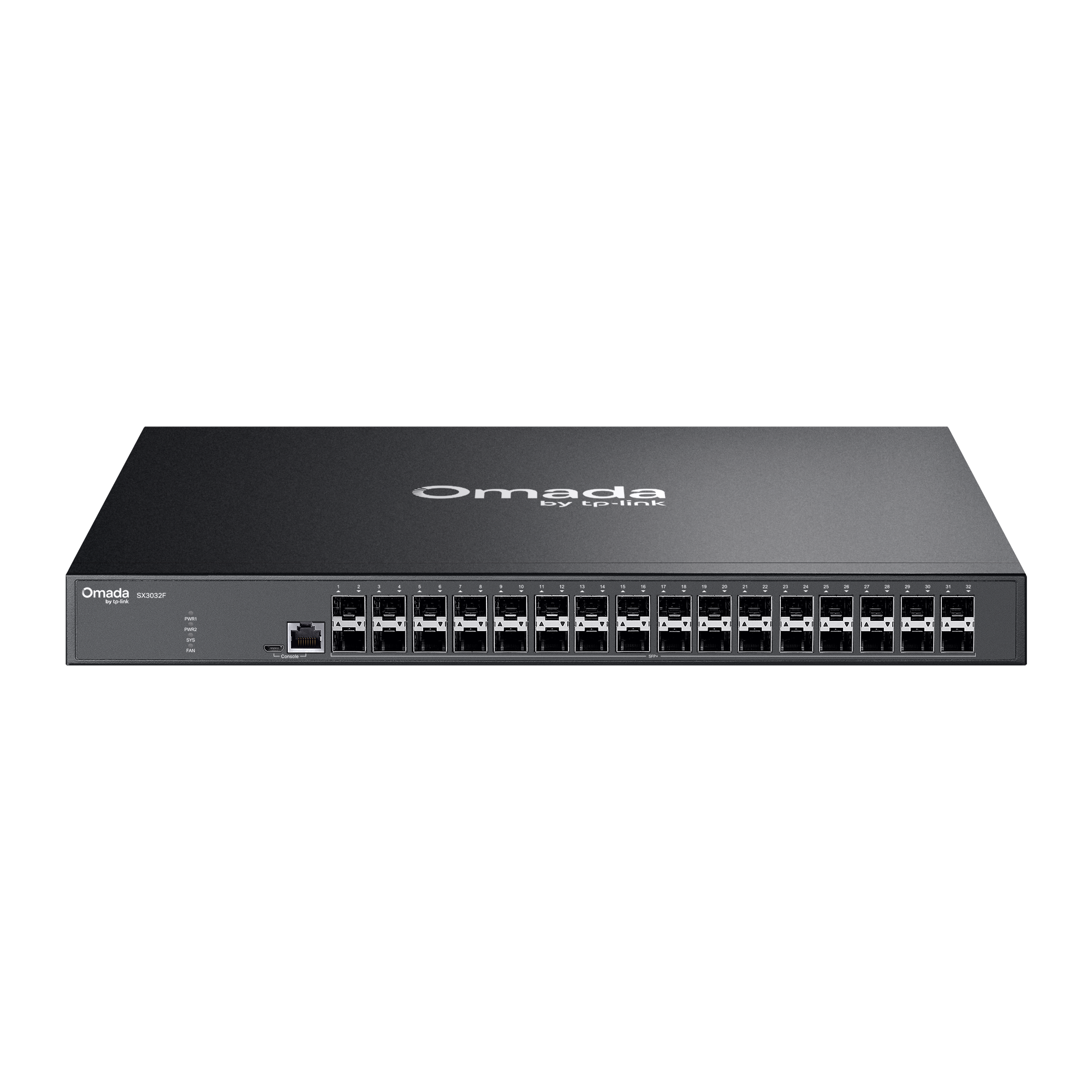 |
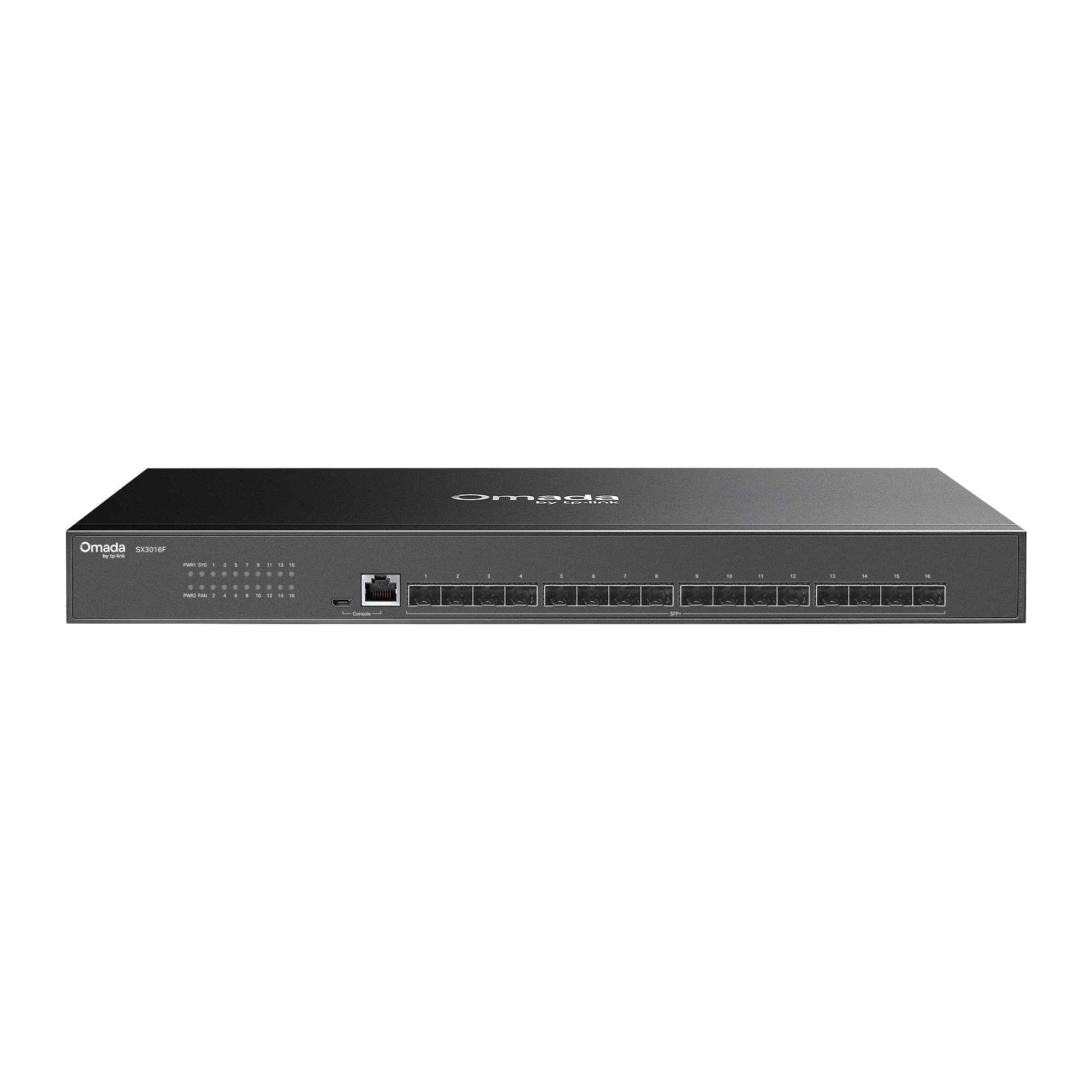 |
 |
 |
|
|---|---|---|---|---|---|
|
|
|||||

Total Port Count |
32 |
32 |
16 |
8 |
28 |

Downlink Port |
(26) 10G SFP+ Ports |
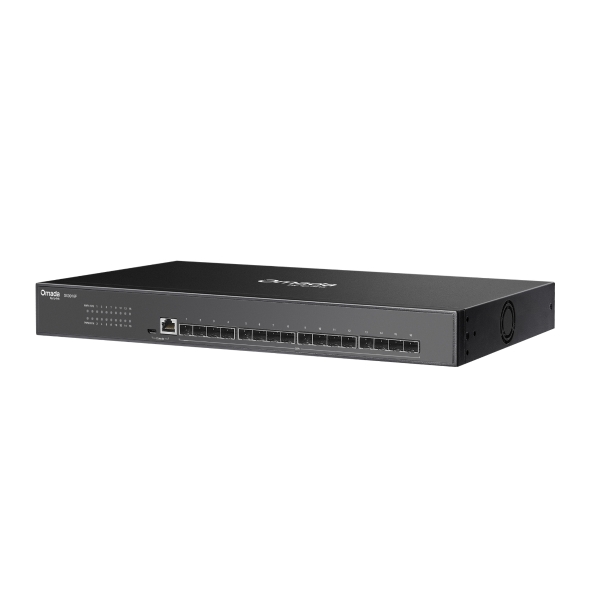
(32) 10G SFP+ Ports |
(16) 10G SFP+ Ports |
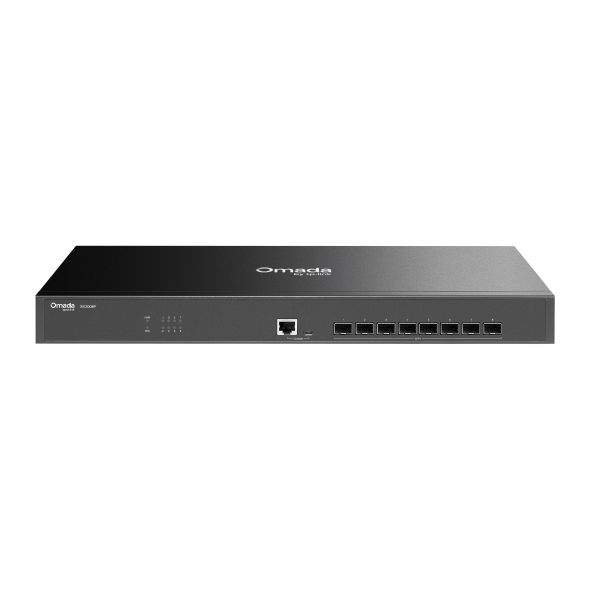
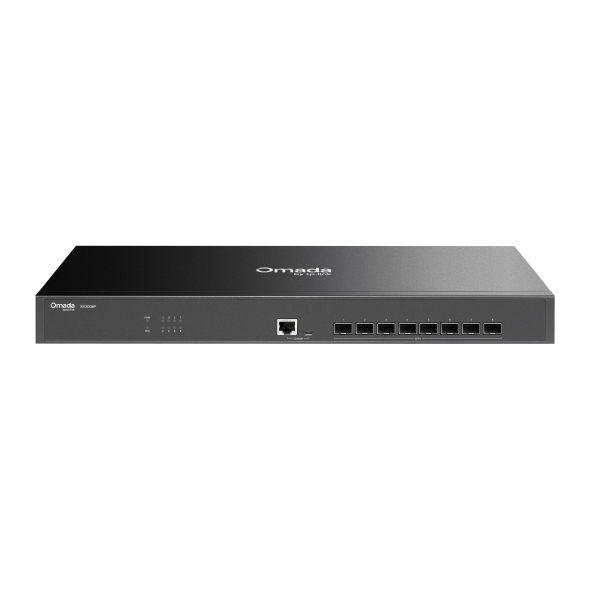
(8) 10G SFP+ Ports |
(20) GE SFP Ports |

Uplink Port |
(6) 25G SFP28 Ports |
- |
- |
- |
(4) 10G SFP+ Ports |

Console Port |
√ |
√ |
√ |
√ |
√ |

Power Redundancy |
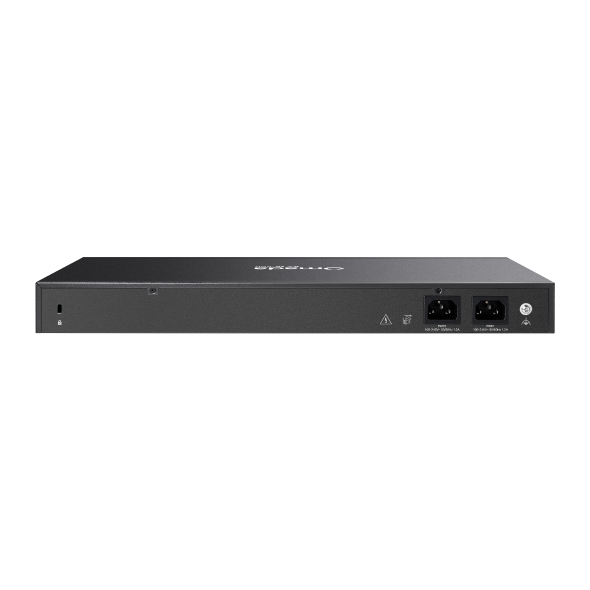
√ (Hot-swappable) |
√ |
√ |
- |
√ |

Mounting |
Rackmount |
Rackmount |
Rackmount |
Rackmount |
Rackmount |


Business Benefits

All-Fiber Connectivity
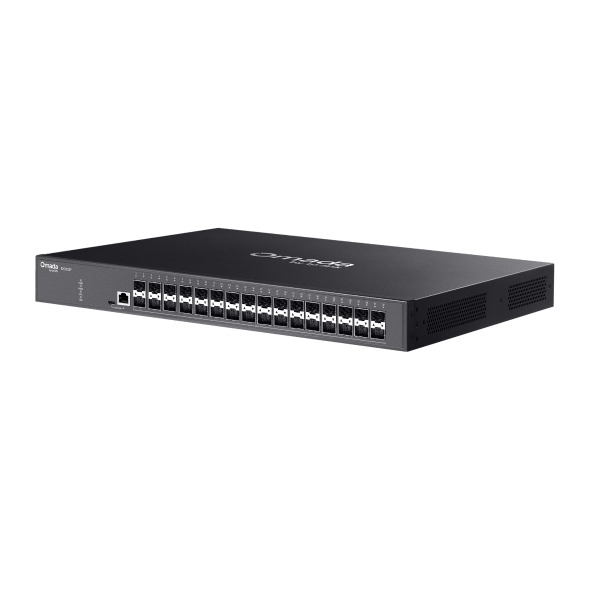
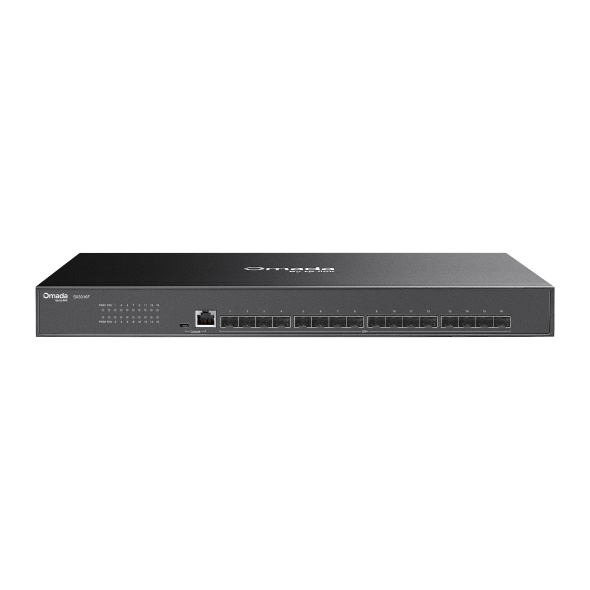
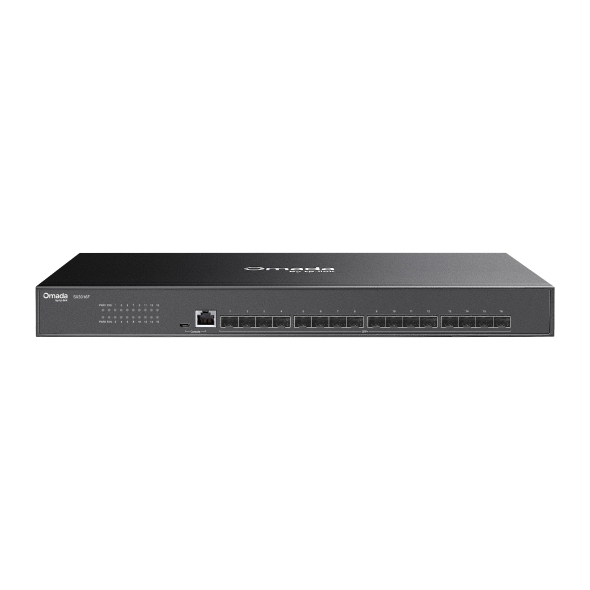
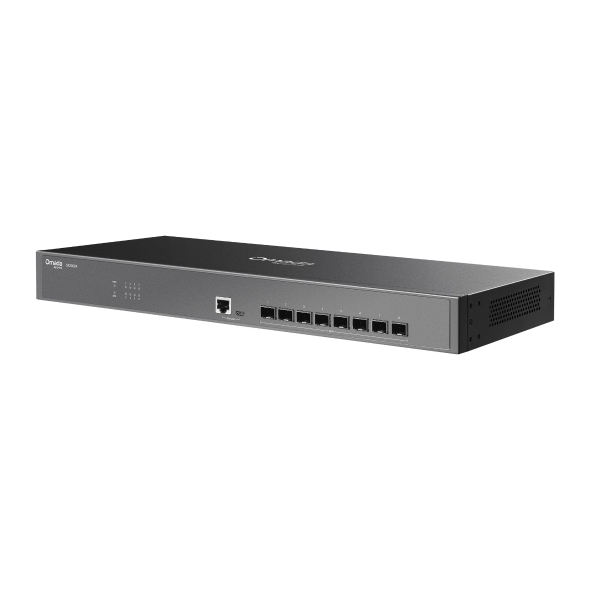
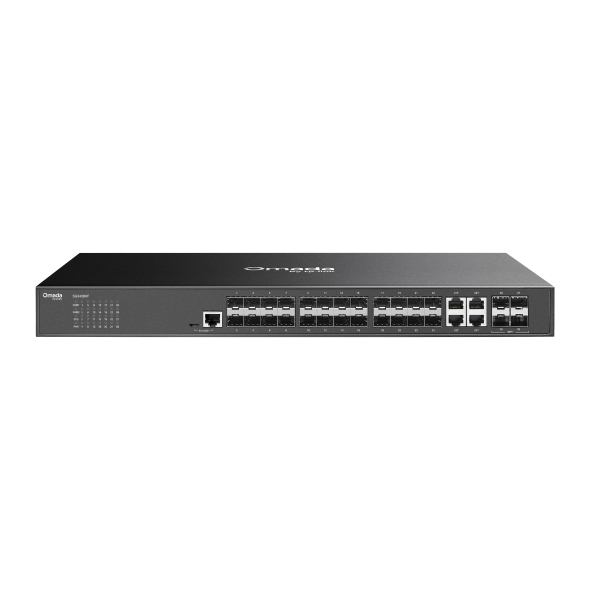
Every model uses fiber optic ports — SFP and SFP+ — eliminating copper port transmission distance bottlenecks at the aggregation layer. Fiber connections reduce latency and interference across the network core.

High-Speed Uplinks up to 25 Gbps
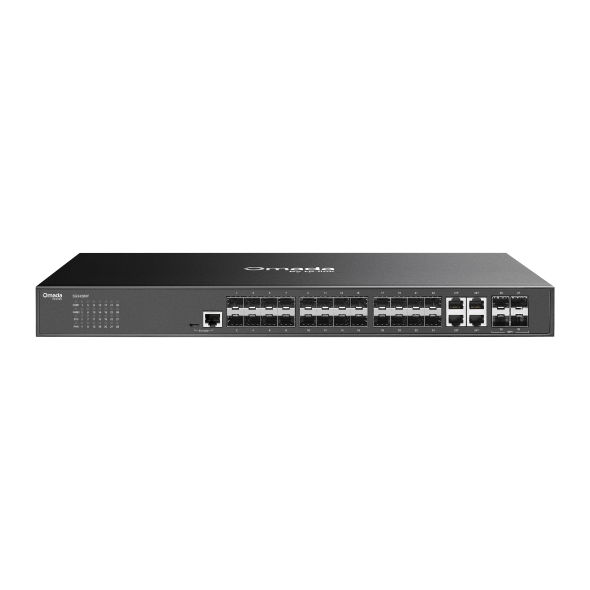
Select models support six 25G SFP28 uplink ports for high-throughput connections to the network core, while others provide 10G SFP+ uplinks, keeping pace as traffic demands grow.

Fiber Switch 10Gb Downlink Density
Models range from 8-port to 32-port 10G SFP+ ports, giving network designers the port density to aggregate traffic from multiple access switches without creating bandwidth bottlenecks.

Layer 3 Routing and Advanced Features
Static Routing, DHCP Server, ACL, IGMP Snooping, STP, and LAG are supported across the range. Select models add advanced Layer 3 features for more complex routing requirements between network segments.

Redundant Power for Business Continuity
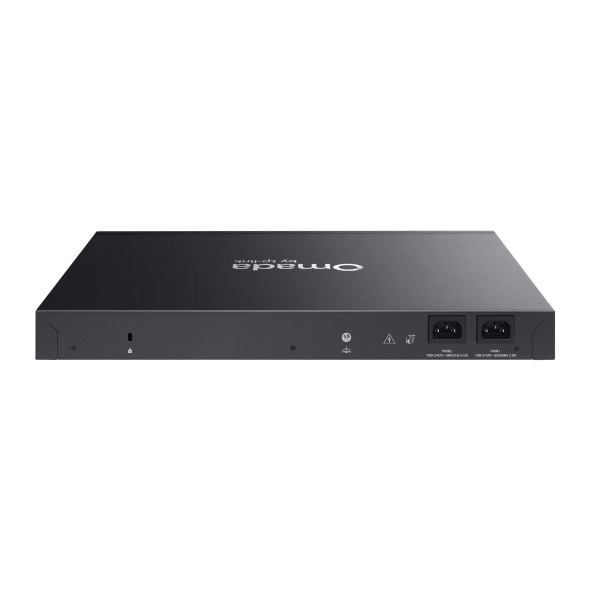
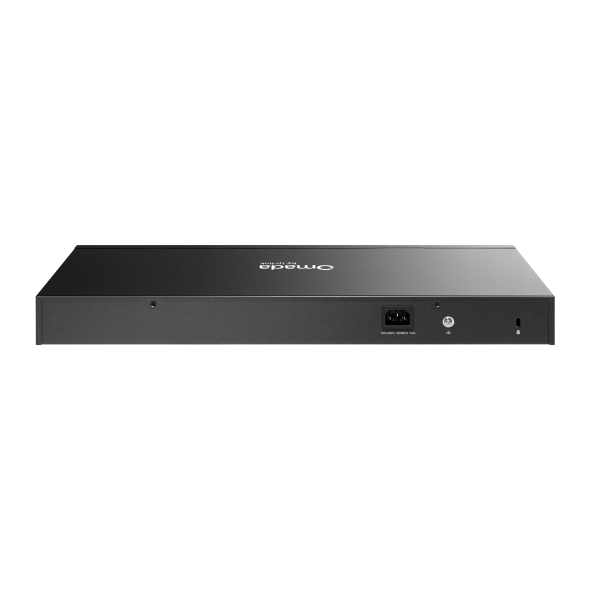
A redundant power supply isolates power supply failures, keeping the aggregation layer online during hardware maintenance and unexpected outages.

Centralized SDN Management
Omada Aggregation switches support centralized management through the Omada SDN platform, with cloud-based, hardware, and software controller options for configuration, monitoring, and policy management across the network — including access layer switches and other Omada devices.
Solving Connectivity Challenges
Omada Aggregation switches are suited to business environments where high-density access layers need a reliable, high-throughput core to connect them.

Aggregation switches consolidate uplinks from floor-level access switches, making it easier to scale connectivity as teams grow or floors are added.

Fiber connections between buildings are terminated and aggregated, providing a high-speed, interference-resistant backbone across distributed office or industrial sites where copper runs aren't practical.

Conference centers, hotels, and educational schools with a number of access points and PoE switches rely on aggregation switches to handle the upstream traffic load without performance degradation.

Businesses running video surveillance systems, NAS storage, or internal media workflows need the bandwidth headroom that 10G fiber aggregation provides.

Organizations that have outgrown flat network architectures use aggregation switches to introduce structured, tiered network design, improving performance, segmentation, and manageability as the number of devices and sites increases.
FAQs
What is an aggregation switch, and what role does it play in a business network? 
An aggregation switch sits between the access layer (where end devices connect) and the network core or router, consolidating traffic from multiple access switches into higher-speed uplinks. It handles inter-VLAN routing, traffic filtering, and policy enforcement for multiple network segments, reducing load on the core and improving overall network performance and organization.
What's the difference between an aggregation switch and an access switch?
Access switches connect end devices such as computers, IP phones, access points, and cameras directly to the network, typically over Gigabit or multi-gigabit copper ports. Aggregation switches sit one tier higher, consolidating uplinks from multiple access switches over high-speed fiber connections. They handle more traffic at once and typically include Layer 3 routing capabilities to manage traffic between segments before it reaches the network core.
When should a business deploy aggregation switches?
Aggregation switches become relevant when a network has grown beyond a simple flat architecture — typically when multiple access switches need to be connected, when inter-VLAN routing is required between departments or floors, or when uplink bandwidth between layers is becoming a bottleneck. They're well-suited to multi-floor offices, campuses, and high-density environments where structured, tiered network design improves performance and manageability.
Do Omada Aggregation switches support high-speed uplinks and network expansion?
Yes. Omada Aggregation Switches include 10G SFP+ downlink and uplink ports across the lineup, with select models supporting up to 640 Gbps of switching capacity.
Can Omada Aggregation switches be managed through the Omada SDN platform?
Yes. Omada Aggregation switches support centralized management through the Omada SDN platform, including cloud-based, hardware, and software controller options. Administrators can configure VLANs, routing policies, ACLs, and other settings from a single interface alongside the rest of their Omada network infrastructure.