


Mesh Access Points
for Business Networks
Omada mesh access points extend wireless coverage across locations where running Ethernet cabling is impractical or cost-prohibitive. From open-plan offices and warehouses to outdoor spaces and multi-building campuses, Omada mesh APs deliver reliable business Wi-Fi managed through a single centralized controller.

Recommended Mesh Access Points
View All
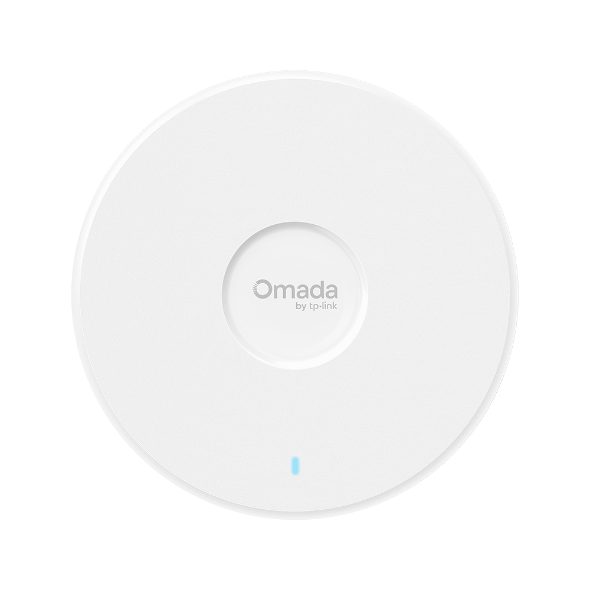
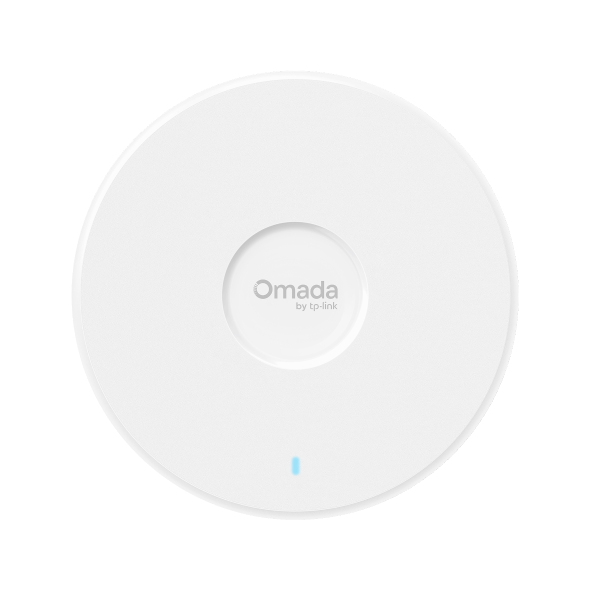
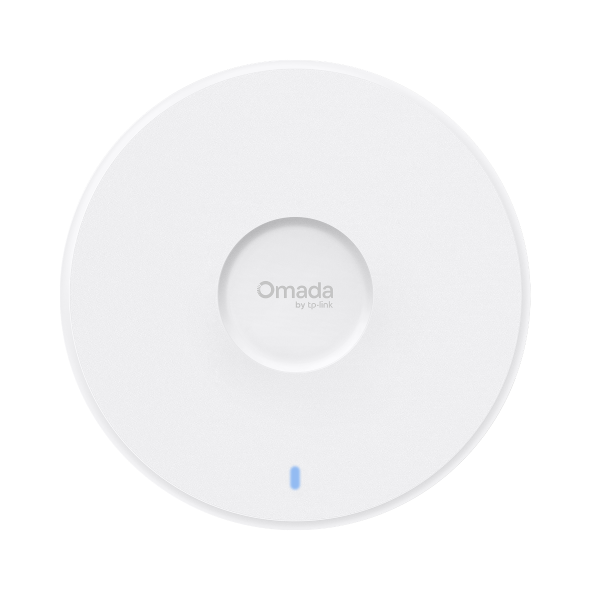
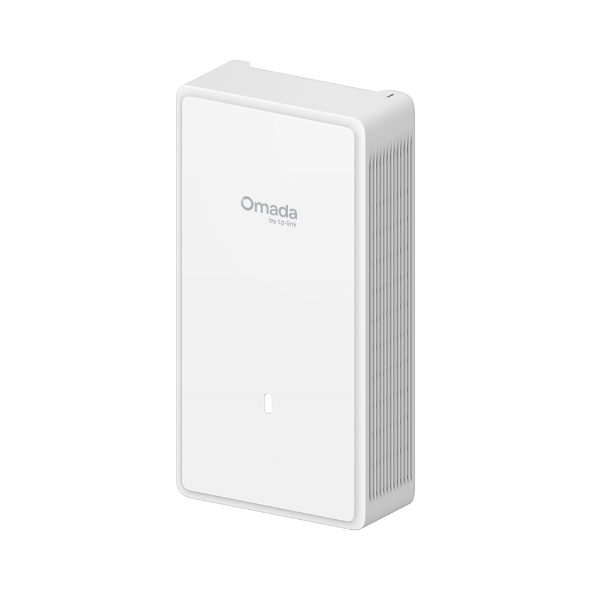
Omada 7 Pro Wall
EAP775-Wall
BE11000 6-Stream Wall Plate Tri-Band Wi-Fi 7 Access Point
View Product >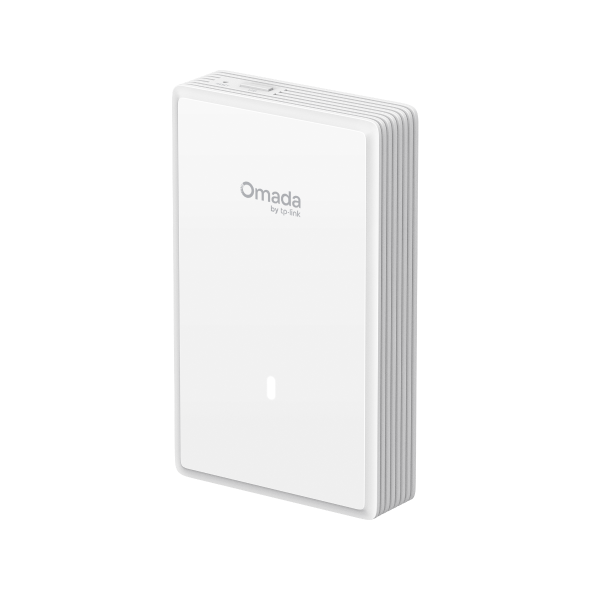
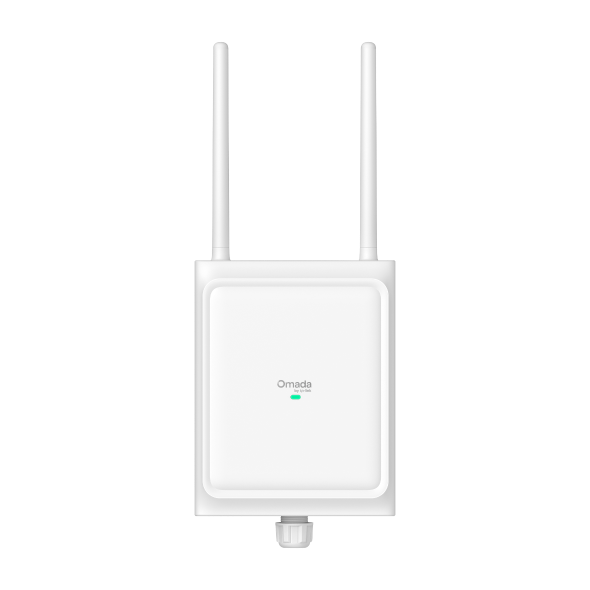
Omada 7 Pro Outdoor
EAP775-Outdoor
BE11000 6-Stream Directional/Omnidirectional Outdoor Tri-Band Wi-Fi 7 Access Point
View Product >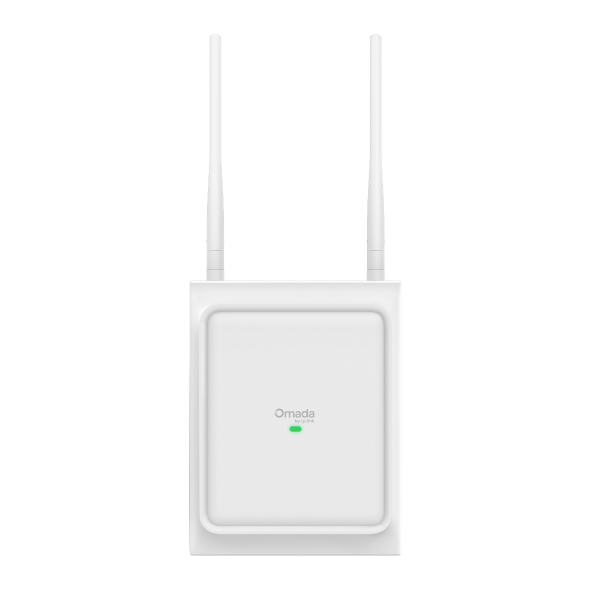
Omada 7 Outdoor
EAP725-Outdoor
BE5000 4-Stream Directional/Omnidirectional Outdoor Dual-Band Wi-Fi 7 Access Point
View Product >Business Benefits

Cable-Free Deployment
Omada mesh technology creates wireless backhaul connections between access points, allowing coverage to reach areas where cabling infrastructure isn't available or feasible, without sacrificing centralized control.

Seamless Roaming
Fast handoffs between access points keep VoIP calls and video sessions running without interruption as users move through the coverage area.

Flexible Form Factors
Ceiling-mount, wall-plate, desktop, and outdoor-rated models support deployment across any business setting, from hotel guest rooms and open offices to warehouses, parking areas, and building exteriors.

Scalable Coverage
Add access points to expand coverage as your space or headcount grows, without redesigning network infrastructure or pulling new cabling.

Outdoor-Ready Options
Selected models include weather-rated enclosures and extended operating temperature ranges for year-round deployment in exposed outdoor environments.

Omada Ecosystem Integration
All mesh-capable APs integrate with Omada Wi-Fi access points and outdoor access points, under unified cloud-based, hardware, or software controller management for consistent policy enforcement and simplified administration across every site.
Solving Connectivity Challenges
Omada mesh access points support businesses where flexible, cable-free wireless deployment is a priority.

Directional outdoor-rated APs with seamless roaming support uninterrupted connection for AGVs, handheld scanners, and mobile workers moving across large floor areas without fixed cabling runs.
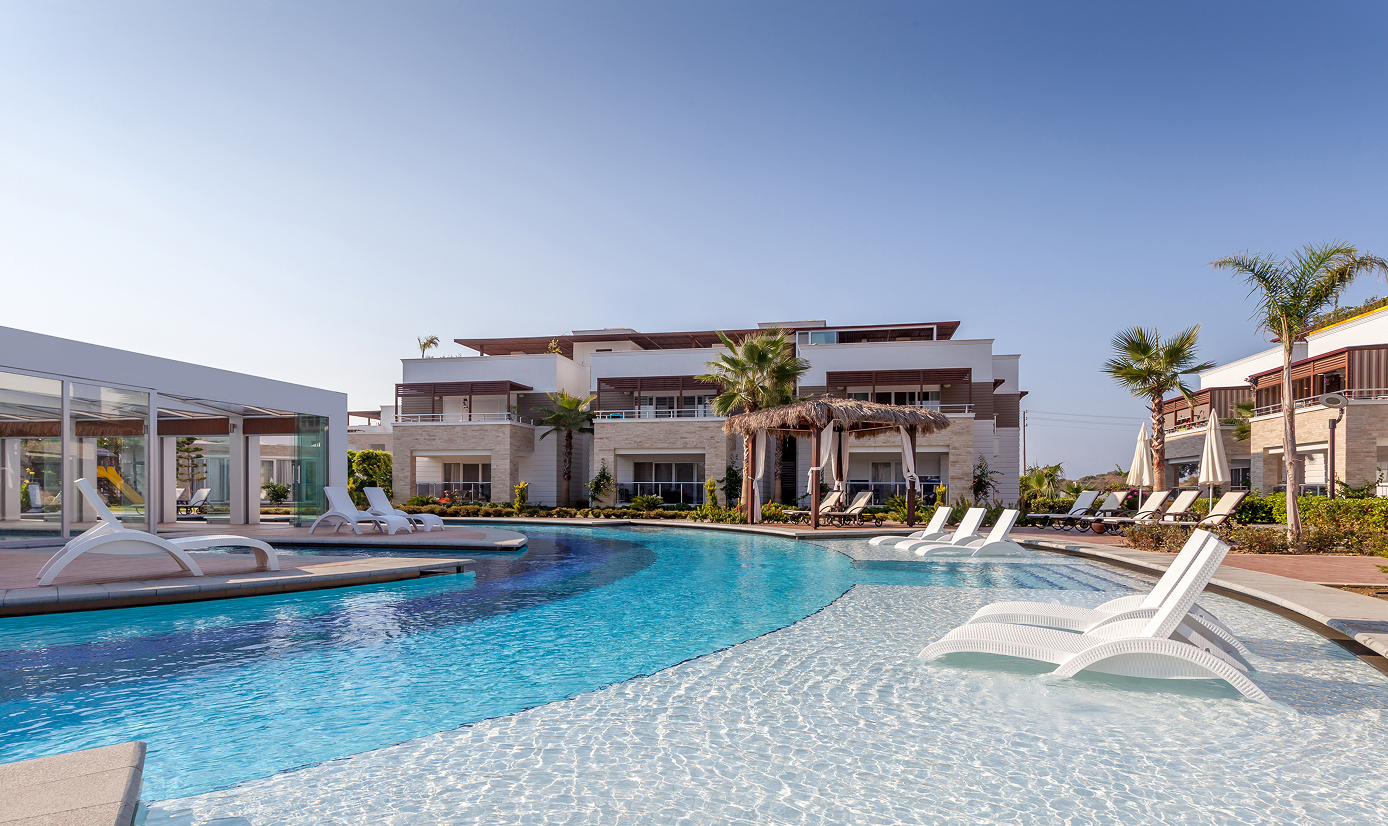
Mesh deployment extends guest Wi-Fi to outdoor dining areas, pool decks, and courtyard spaces without trenching or conduit, while wall-plate APs provide in-room coverage in guest corridors.

Properties where drilling or cabling is restricted benefit from mesh deployment that reaches every area without structural modifications or landlord approval for infrastructure work.

Mesh APs extend coverage to back-of-house areas, outdoor dining spaces, or patios that fall outside the range of the primary wired AP installation, keeping POS devices and staff handhelds connected throughout.

Mesh architecture supports fast, flexible setup for event spaces, seasonal locations, or temporary offices where a permanent cabling infrastructure isn't required.
FAQs
What is a mesh access point? 
A mesh access point is a Wi-Fi access point that can connect wirelessly to other access points in the network instead of requiring a direct wired Ethernet connection back to the switch. This allows coverage to be extended into areas where cabling is difficult or unavailable, while all access points remain part of the same managed network.
How is a mesh access point different from a standard access point?
A standard access point requires a wired Ethernet connection to the network switch to operate. A mesh access point can use a wireless backhaul connection to another access point, making it possible to extend coverage without running new cabling. Both types can be centrally managed through the Omada Controller, and both support the same Wi-Fi features, including seamless roaming and VLAN segmentation.
When should I deploy mesh access points instead of running Ethernet cabling?
Mesh deployment makes practical sense when cabling is cost-prohibitive, structurally restricted, or simply not feasible, such as in historic buildings, leased spaces, outdoor areas, or large warehouses. Mesh is best used where flexibility or cable-free extension is the priority.
Does mesh Wi-Fi reduce network performance?
Wireless backhaul does introduce some throughput overhead compared to a wired connection, since the mesh AP shares its radio for both client traffic and backhaul. The impact depends on the number of mesh hops, the distance between access points, and the Wi-Fi standard in use. For bandwidth-intensive applications, minimizing the number of mesh hops and placing APs within good signal range of each other helps maintain performance.
Can mesh access points be centrally managed?
All Omada mesh access points integrate with the Omada Controller — cloud-based, hardware, or software — providing a single interface to configure, monitor, and troubleshoot the entire network, including mesh-connected APs. Zero-touch provisioning allows new access points to adopt existing configurations automatically, reducing on-site setup time.
Are mesh access points suitable for large offices, warehouses, or outdoor areas?
Yes, Omada's mesh range includes indoor ceiling-mount and wall-plate models for offices and hospitality environments, as well as outdoor-rated models with enclosures and extended operating temperature ranges for warehouses, campuses, and exposed outdoor areas. For very large or complex outdoor deployments requiring long-range point-to-point or point-to-multipoint links, Omada wireless bridges may be appropriate.