


Access Pro Switches
for Business Networks
Omada Access Pro switches bring 2.5G multi-gigabit connectivity to SMB networks that have outgrown the limits of standard Gigabit switching. Built to power Wi-Fi 6 and entry-level Wi-Fi 7 access points, these switches combine high-capacity PoE++ output with 10G SFP+ uplinks in configurations ranging from compact desktop units to full rackmount deployments.

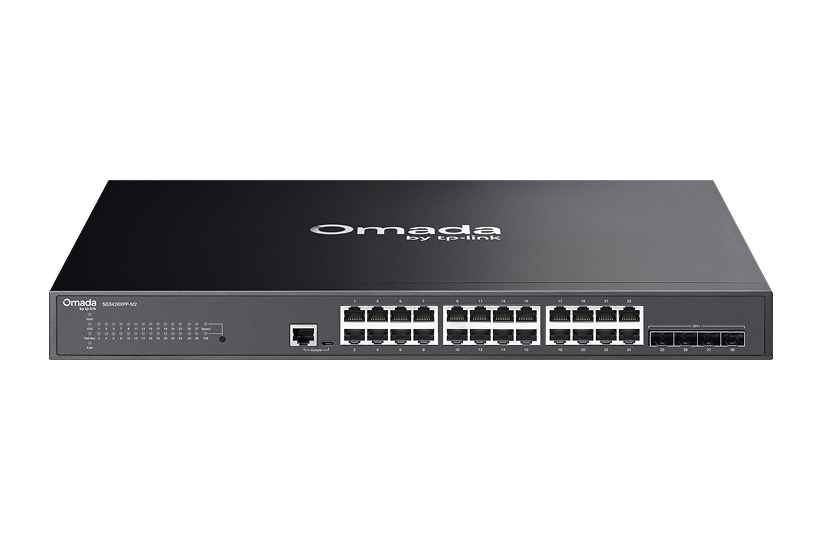
 |
1_normal_20240416214256n.png) |
 |
 |
 |
1.0_Omada_2.5G_Switch-1000px_normal_20231109030542p.png) |
|
|---|---|---|---|---|---|---|
|
|
||||||

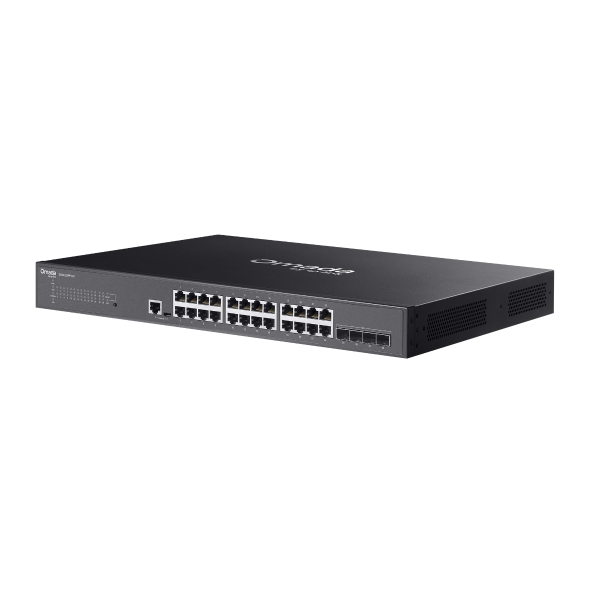
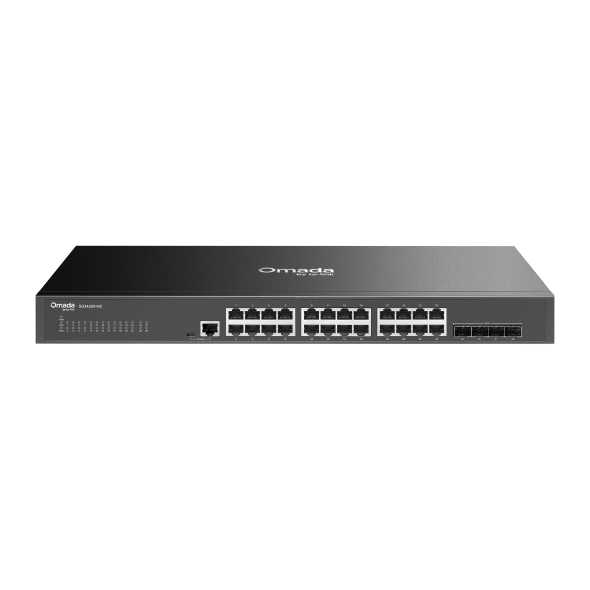
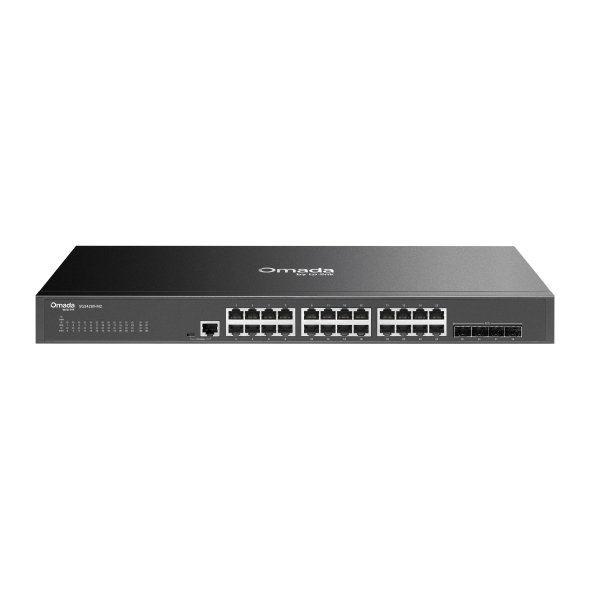
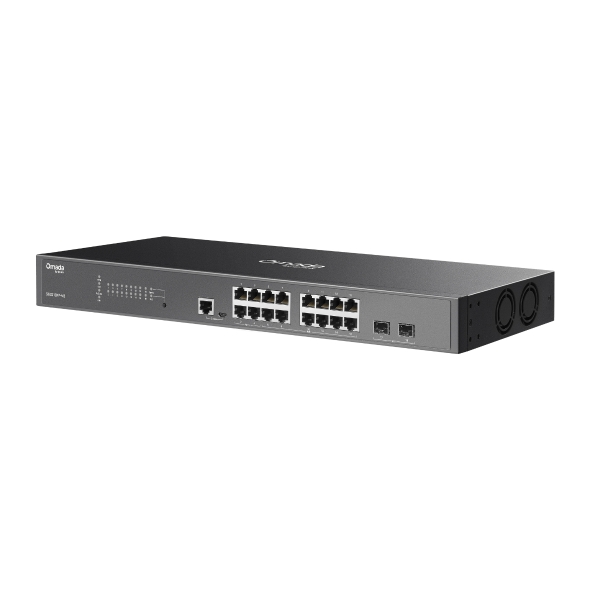
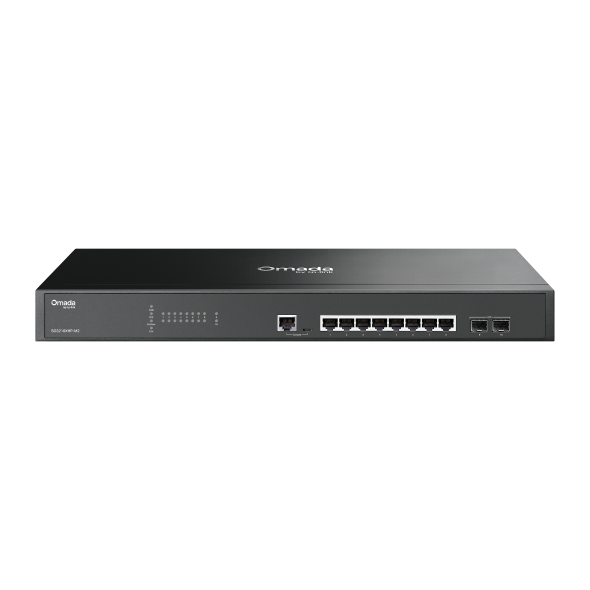
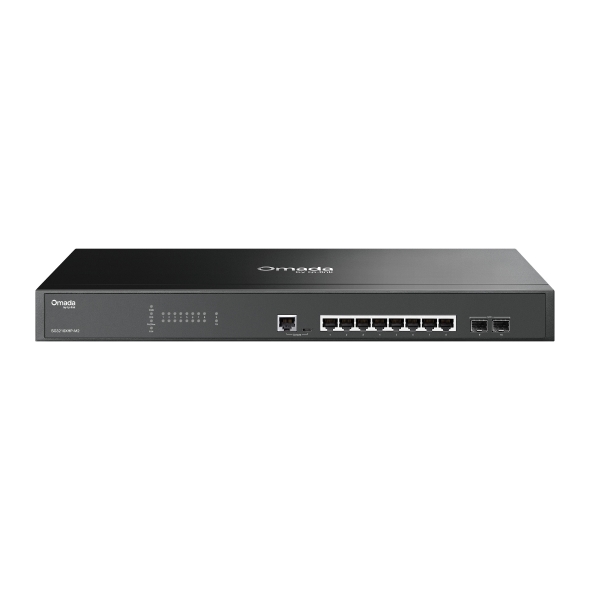
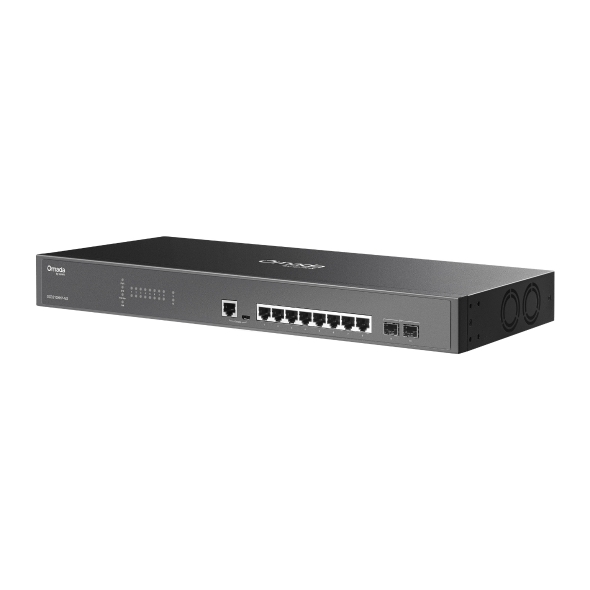
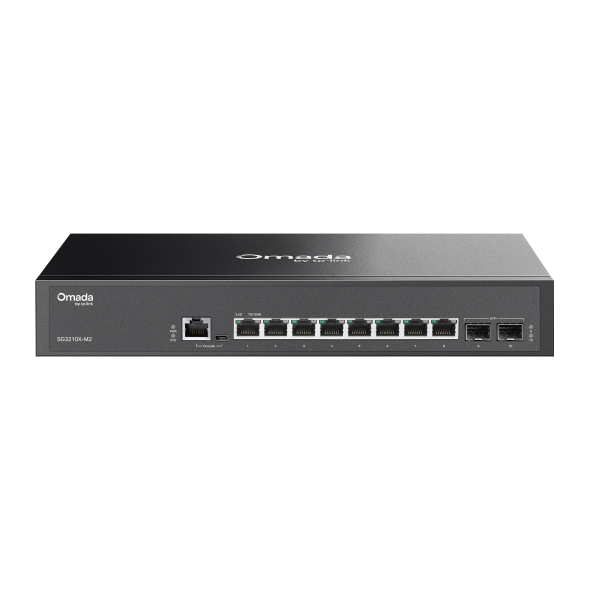
Total Port Count |
28 |
28 |
18 |
10 |
10 |
10 |

Downlink Port |
(8) 2.5G PoE++ Ports |
(24) 2.5G Ports |
(8) 2.5G PoE+ Ports |
(8) 2.5G PoE+ Ports |
(8) 2.5G Ports |
(8) 2.5G PoE+ Ports |

Uplink Port |
(4) 10G SFP+ Ports |
(4) 10G SFP+ Ports |
(2) 10G SFP+ Ports |
(2) 10G SFP+ Ports |
(2) 10G SFP+ Ports |
(2) 10G SFP+ Ports |

PoE Budget |
770W (V2) |
- |
240W |
240W |
- |
160W |

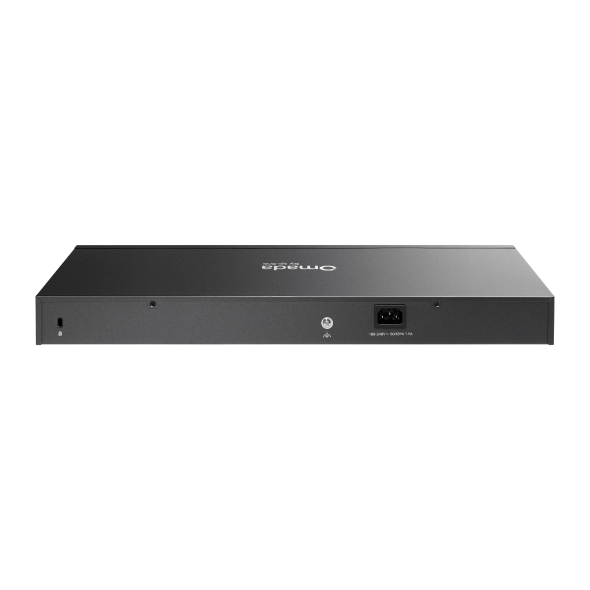
Console Port |
√ |
√ |
√ |
√ |
√ |
- |

Fan |
√ |
√ |
√ |
√ |
Fanless |
Fanless |

Mounting |
Rackmount |
Rackmount |
Rackmount |
Rackmount |
Rackmount, Desktop |
Desktop, Wall Mount |

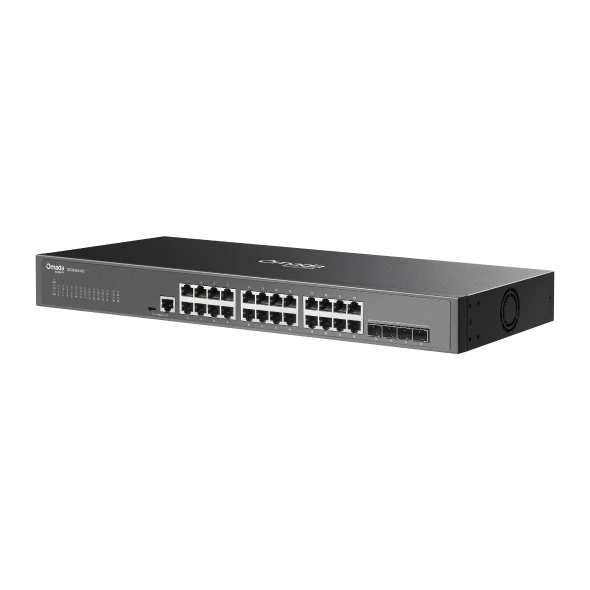


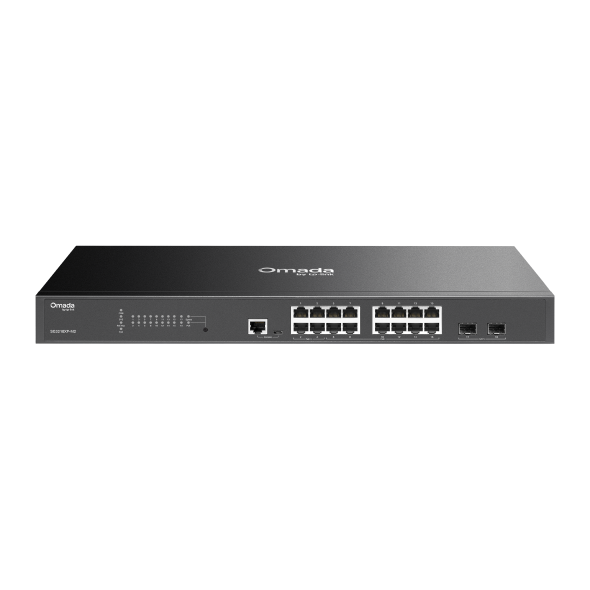
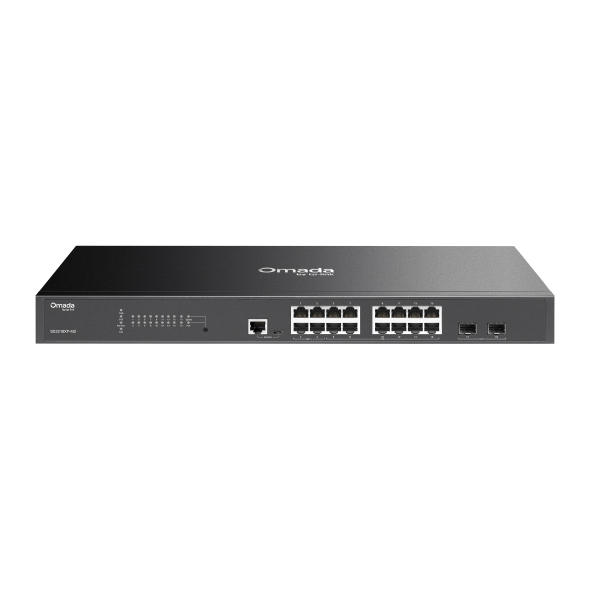
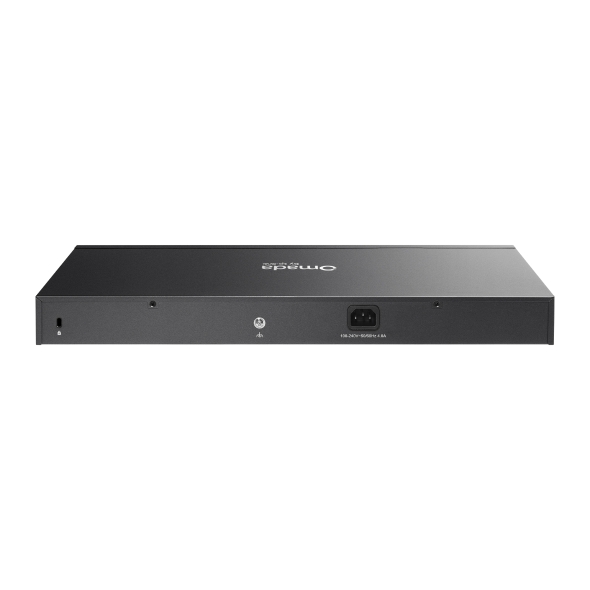
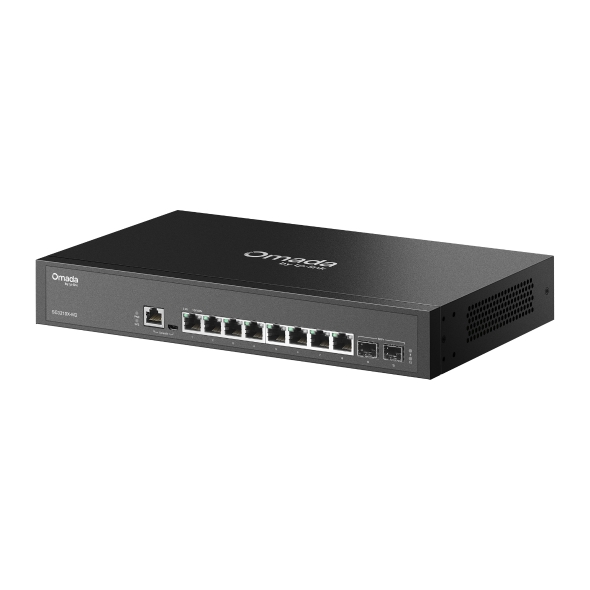
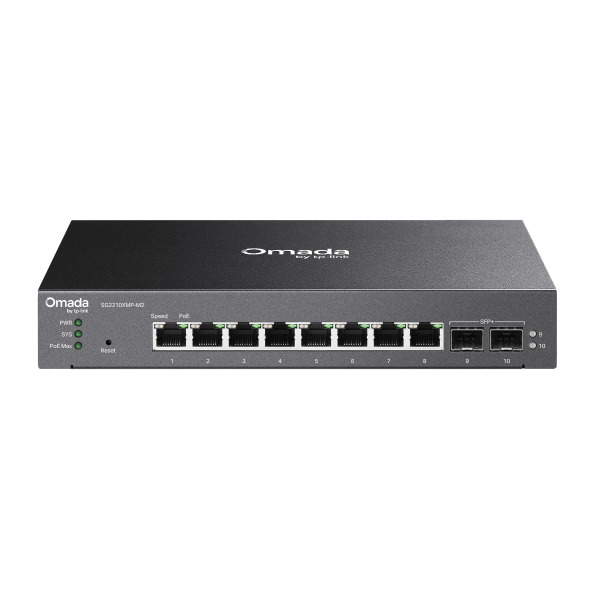
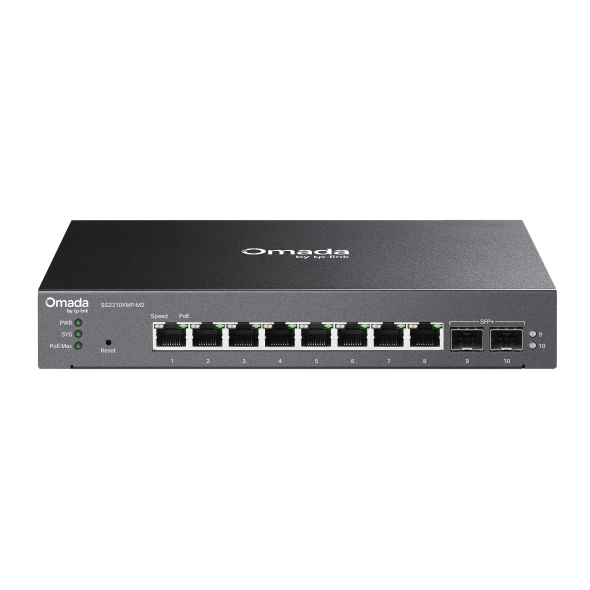
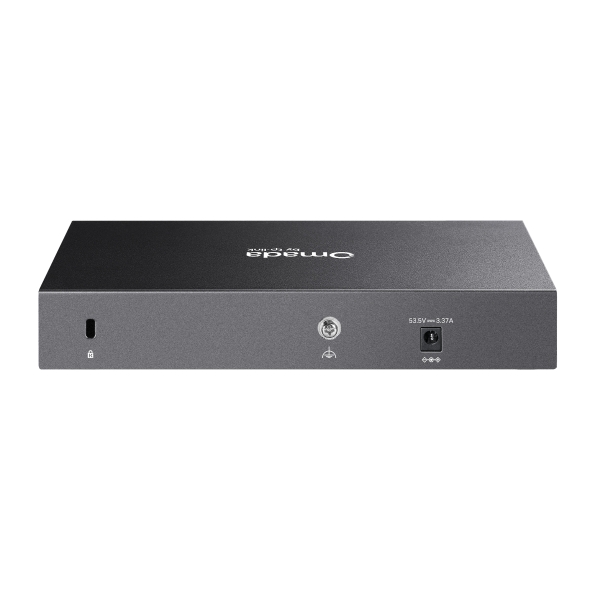
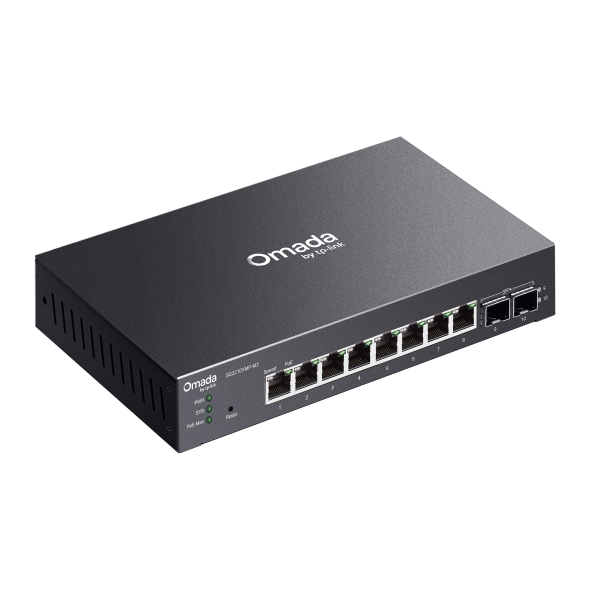
Business Benefits

2.5G Multi-Gigabit Downlinks
Access Pro switches provide 2.5G downlink ports on every model, matching the backhaul requirements of Wi-Fi 6 and entry-level Wi-Fi 7 access points, so wired infrastructure doesn't limit wireless performance.

High-Output PoE++ Power
PoE++ compliance across the range, with budgets up to 770W, means a single switch can power demanding devices like Wi-Fi 7 access points, IP cameras, and IP phones simultaneously without external power adapters.

10G SFP+ Uplinks
Depending on the model, two or four 10G SFP+ uplink ports ensure aggregated traffic from 2.5G downlinks moves efficiently to core switching or router infrastructure without congestion.

Flexible Deployment Sizes
Models spanning 10 to 52 total ports let you match switch capacity to the environment, whether deploying a compact wall-mount unit in a small branch or a rackmount switch in a larger wiring closet.

Silent Operation Where It Matters
Fanless models are well-suited for quiet environments like offices, classrooms, or reception areas where fan noise is a concern.

Unified Omada Ecosystem
Access Pro switches integrate with the Omada cloud-based controller for centralized management alongside Omada access points, gateways, and other switches, providing consistent configuration, monitoring, and policy enforcement across the full network.
Solving Connectivity Challenges
Access Pro switches support network environments where 2.5G connectivity and high-output PoE are the foundation for reliable wireless and device infrastructure.
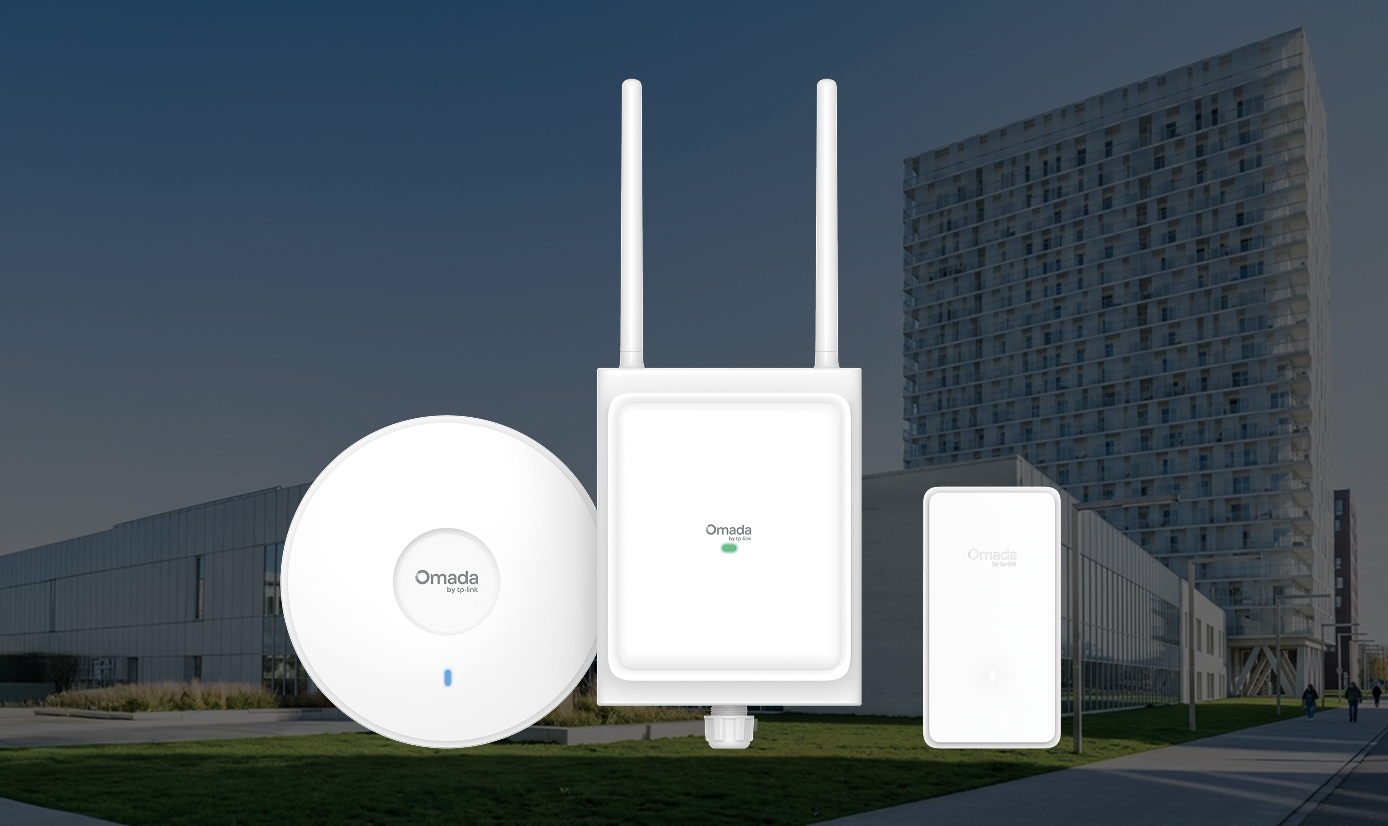
Medium and large office environments upgrading to Wi-Fi 7 access points use Access Pro switches to eliminate the Gigabit bottleneck, so wired backhaul keeps pace with wireless throughput.

Open-plan offices with many connected workstations, wireless APs, and VoIP phones use the larger 24- or 48-port rack-mount models to consolidate device connections and PoE power delivery in a single switch.

Small branch offices and space-constrained installations use the desktop or wall-mount 10-port models to deploy 2.5G connectivity and PoE without requiring a rack or dedicated networking closet.

Schools deploying Wi-Fi 7 access points in classrooms and common areas use fanless Access Pro models to power APs quietly while providing 10G uplinks to keep bandwidth available for students and staff.
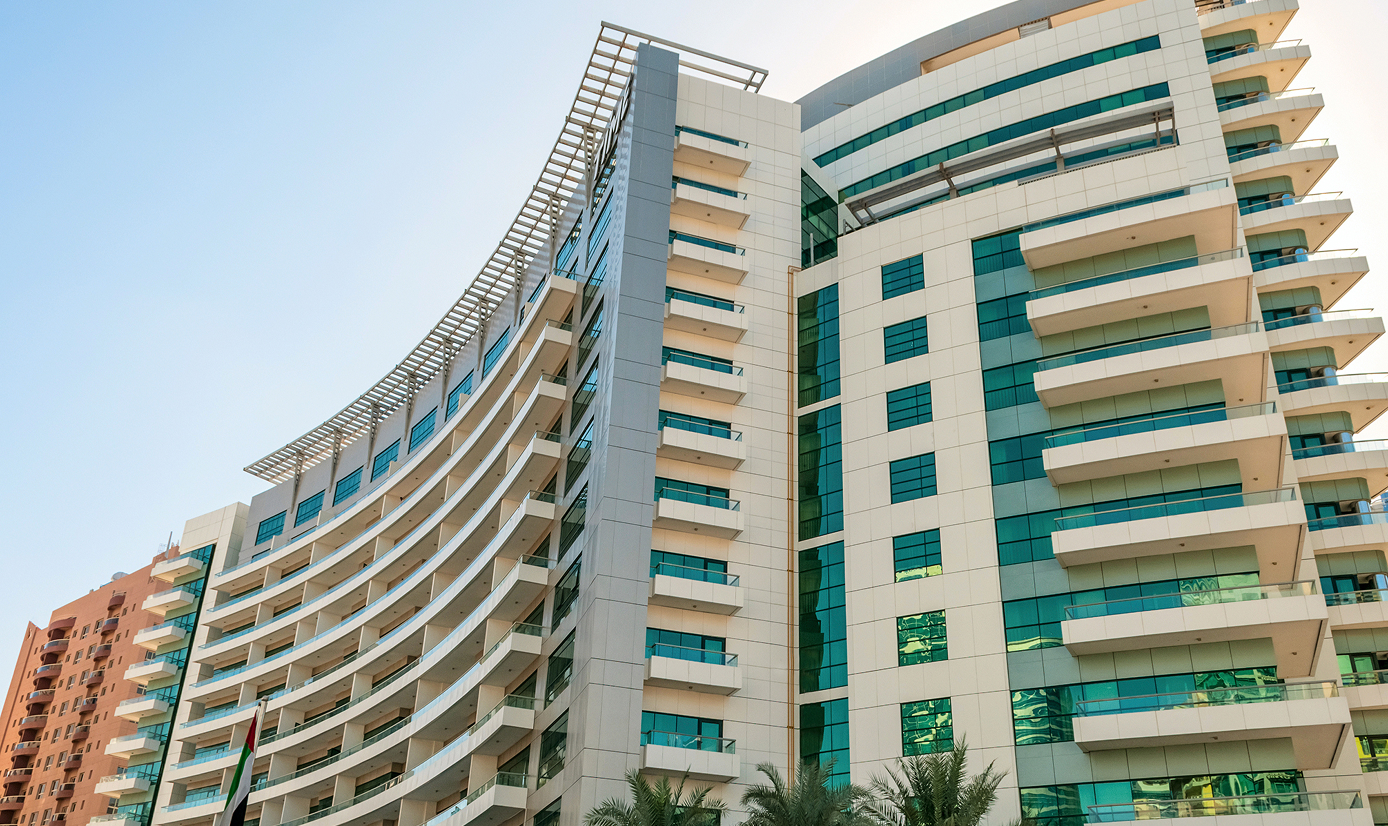
Hotels and venues running multiple access points across guest rooms and common areas use high-PoE-budget models to power APs from a single switch per floor or zone, reducing cabling complexity.
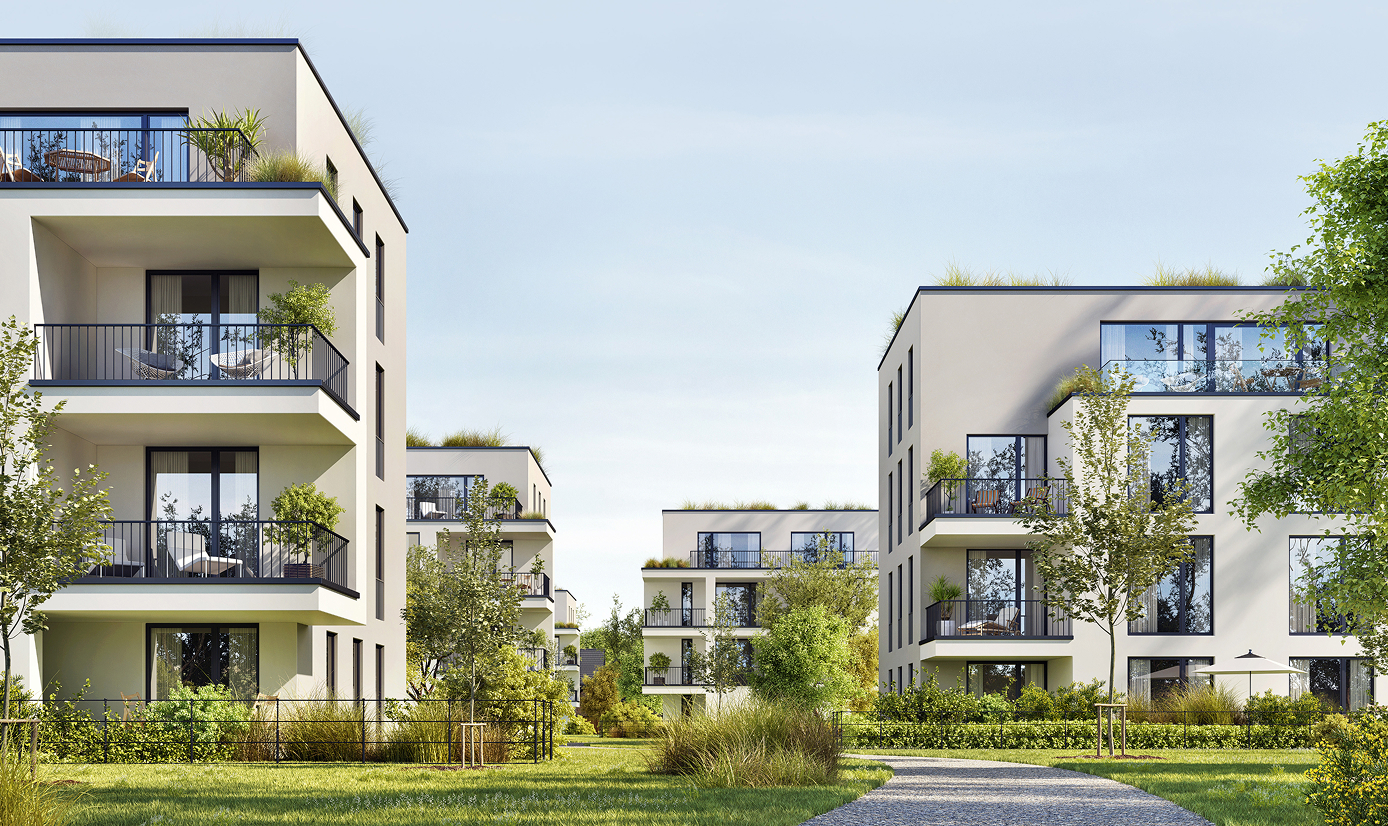
In Multi-Dwelling Unit properties, an Access Pro switch is wall-mounted inside the ELV box to serve as the media panel, connecting and powering Wi-Fi 7 access points throughout each unit.
FAQs
What is an Access Pro switch, and what types of networks is it designed for? 
Access Pro switches are multi-gigabit access-layer switches designed for networks that need more than standard Gigabit connectivity. They are built to support Wi-Fi 6 and entry-level Wi-Fi 7 access point deployments, high-output PoE device connections, and environments where 2.5G wired infrastructure is required to match modern wireless throughput.
How do Access Pro switches differ from standard access switches?
Where standard access switches provide 1G downlink ports, Access Pro switches deliver 2.5G multi-gigabit connectivity on every downlink port. They also support PoE++ power delivery with significantly higher per-port and total PoE budgets, along with 10G SFP+ uplinks, making them suited for next-generation wireless deployments rather than legacy Gigabit environments.
Are Omada Access Pro switches suitable for high-performance business environments?
Yes. Access Pro switches are designed for business environments running Wi-Fi 6 and entry-level Wi-Fi 7 infrastructure, where Gigabit uplinks create performance limitations. With 2.5G downlink speeds, PoE++ budgets up to 770W, and 10G uplink ports, they support high-density, high-throughput network deployments in offices, hospitality properties, education facilities, Multi-Dwelling Units (MDUs), and multi-site business networks.
Do Access Pro switches support advanced Layer 2 and Layer 3 networking features?
Access Pro switches support a Layer 2+ feature set including VLAN assignment, ACL-based access control, Quality of Service (QoS) traffic prioritization, IGMP Snooping for multicast management, OAM for link monitoring, and DDM for optical transceiver diagnostics. Businesses comparing switch tiers can review the full L2+ managed switch range for additional options. For deployments requiring full Layer 3 routing capabilities, Omada's L3 switch range provides physical stacking, inter-VLAN routing and dynamic routing protocol support alongside the same centralized SDN management.
Can Omada Access Pro switches power access points, IP phones, and security cameras via PoE?
Yes. Access Pro switches with PoE++ compliance can power Wi-Fi 6 and entry-level Wi-Fi 7 access points, IP phones, and PoE-powered security cameras from their downlink ports. PoE budgets range from 160W to 770W, supporting deployments with multiple high-power devices operating simultaneously without requiring separate power adapters.
Do Access Pro switches support centralized management through the Omada SDN platform?
Yes. Access Pro switches are managed through the Omada SDN platform, which provides a unified interface for configuring, monitoring, and troubleshooting switches alongside Omada access points and gateways. Cloud-based, hardware, and software controller options are available depending on deployment requirements.
How do I choose the right Access Pro switch for my business network?
Start with the number of devices you need to connect and the PoE power budget required for your access points and other powered devices. Compact 10-port models suit small branch offices or space-constrained installations, while 18- or 28-port rack-mount models work for larger environments with more connected devices. If you need high PoE output for multiple Wi-Fi 7 access points, prioritize models with larger PoE budgets.