


Stackable L3 Switches
for Business Networks
When your business runs multiple VLANs for guest networks, employee devices, VoIP systems, and IoT equipment, Omada L3 switches route traffic between those networks without bottlenecking at your router. These managed switches come in 24-port and 48-port models with Gigabit or 10 Gbps connectivity, and they stack physically so your network infrastructure keeps pace as you open new locations or add departments.

Recommended L3 Switches
View All
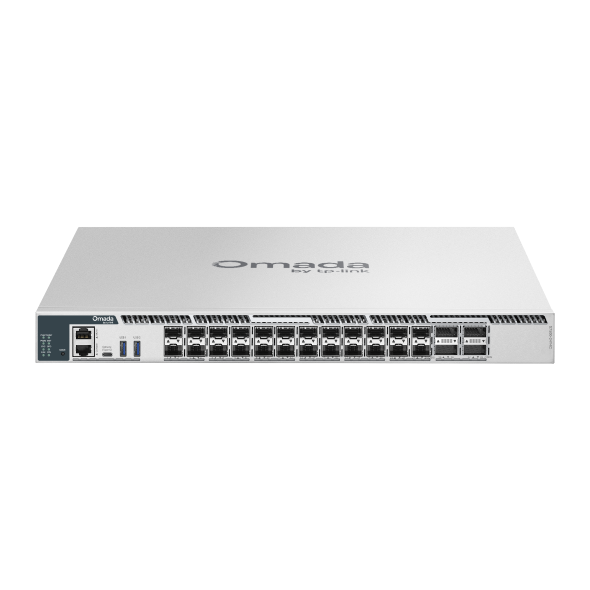
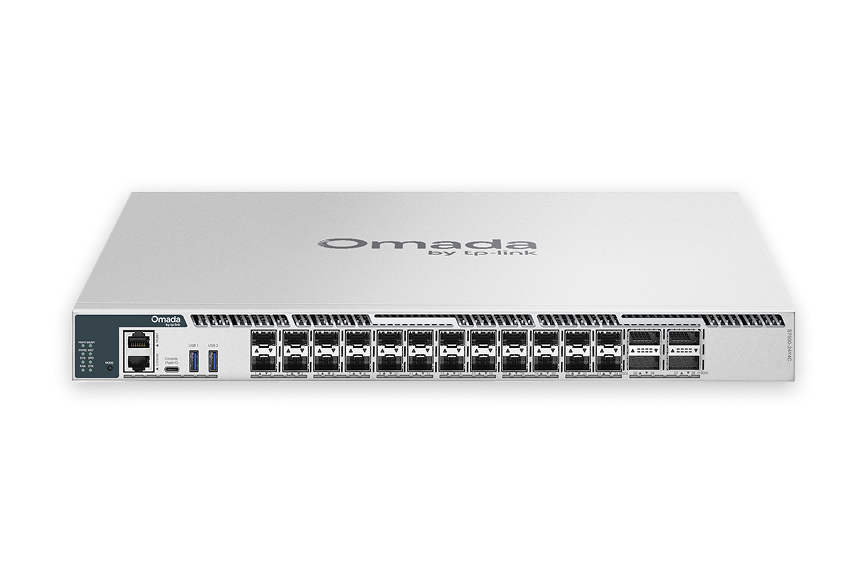
S7500-24Y4C
Omada Campus 24-Port 25G Stackable L3 Managed Aggregation/Core Switch with 4× 100G Slots
View Product >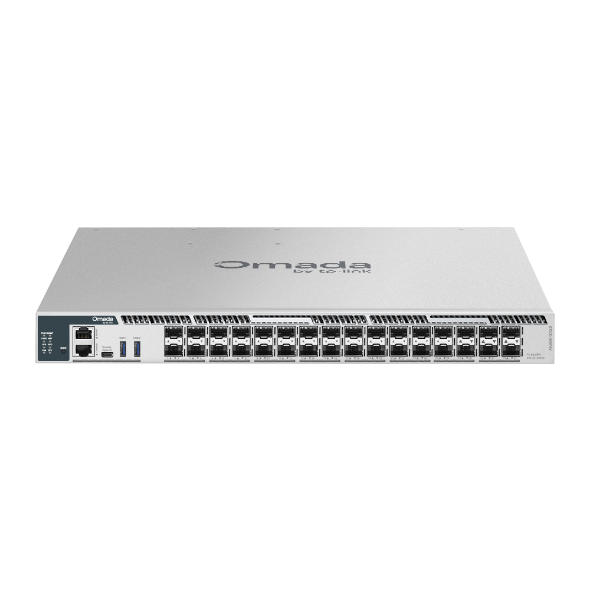
S7500-26XF6Y
Omada Campus 26-Port 10G SFP+ Stackable L3 Managed Aggregation Switch with 6× 25G Slots
View Product >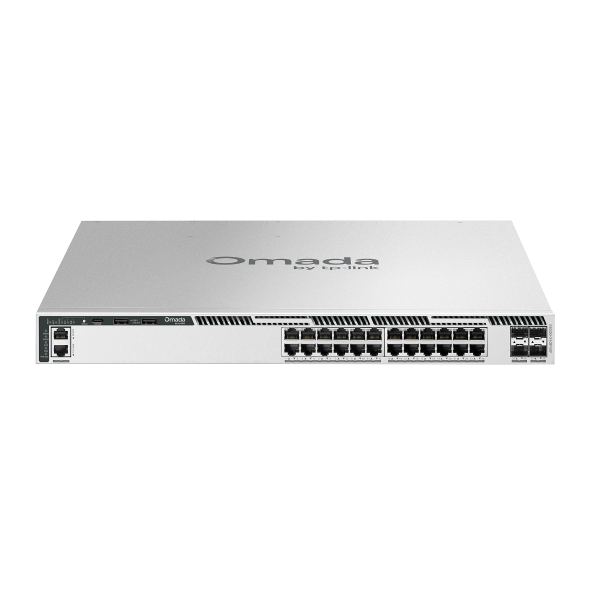
S6500-24GP4XF
Omada Campus 24-Port Gigabit Stackable L3 Managed PoE+ Switch with 4× 10G Slots
View Product >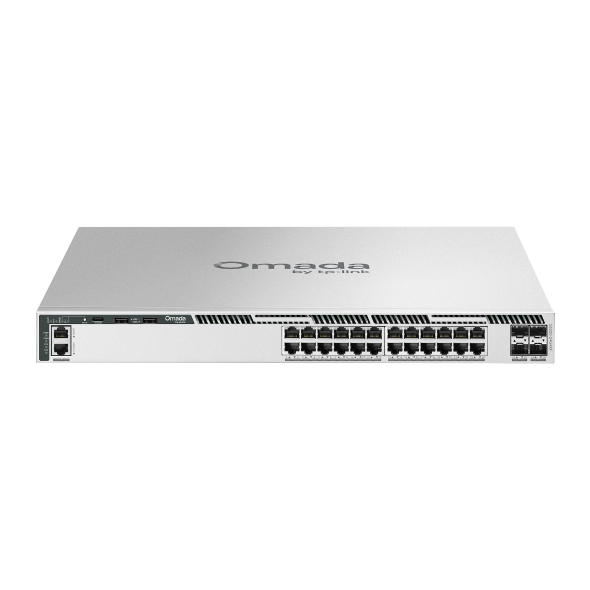
S6500-24G4XF
Omada Campus 24-Port Gigabit Stackable L3 Managed Switch with 4× 10G Slots
View Product >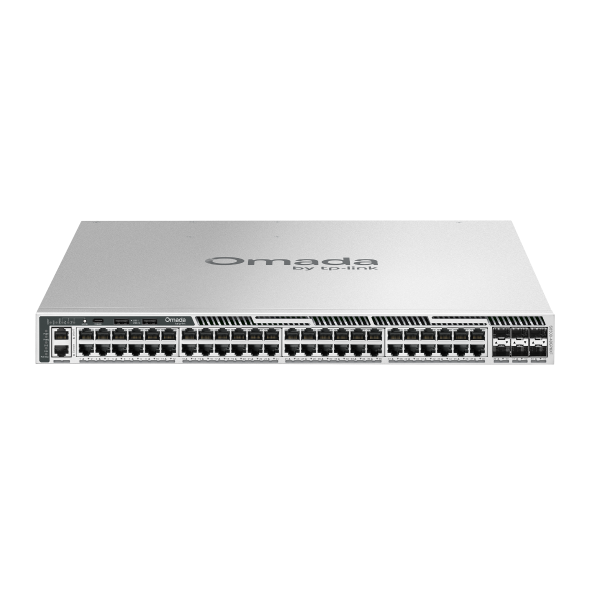
S6500-48GP6XF
Omada Campus 48-Port Gigabit Stackable L3 Managed PoE+ Switch with 6× 10G Slots
View Product >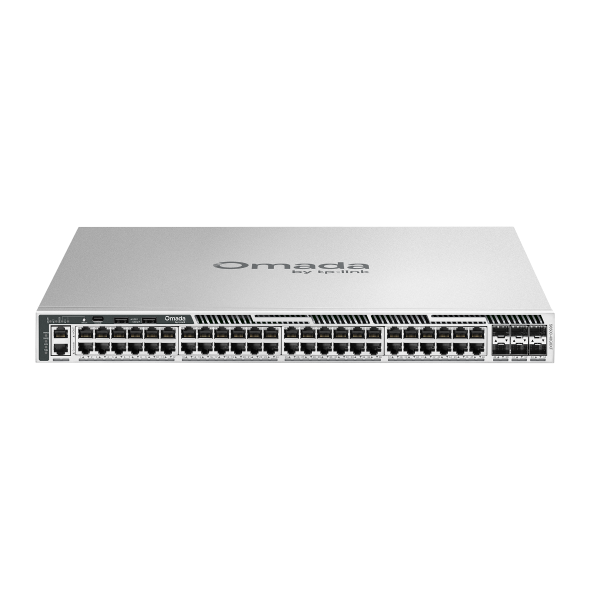
S6500-48G6XF
Omada Campus 48-Port Gigabit Stackable L3 Managed Switch with 6× 10G Slots
View Product >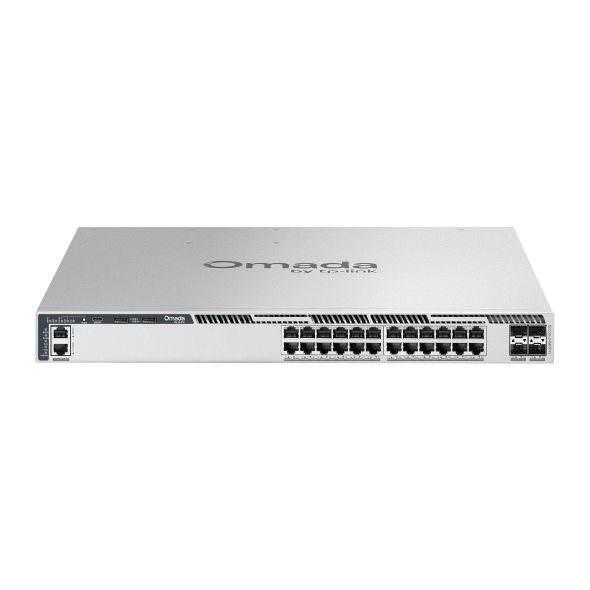
S6500-24MPP4Y
Omada Campus 24-Port 2.5G Stackable L3 Managed PoE++ Switch with 4× 25G Slots
View Product >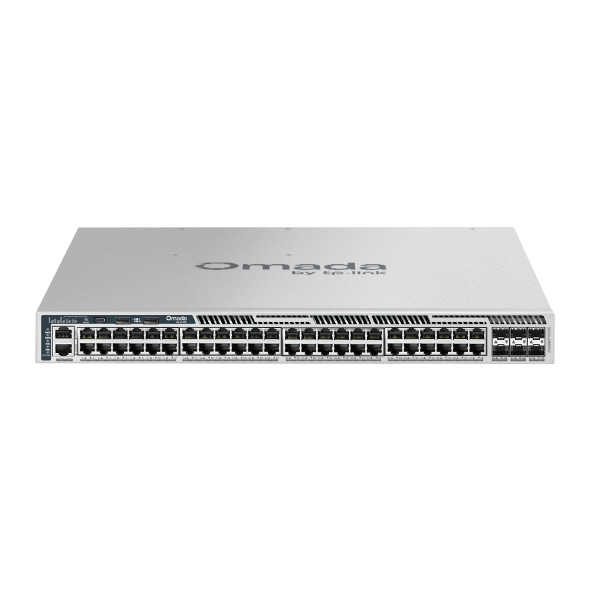
S6500-48MPP6Y
Omada Campus 48-Port 2.5G Stackable L3 Managed PoE++ Switch with 6× 25G Slots
View Product >Business Benefits

Built-In Inter-VLAN Routing
L3 switches route traffic between your separate networks (guest Wi-Fi, employee devices, VoIP phones, IoT systems) without sending everything back through your gateway, which means faster performance for time-sensitive systems like POS transactions and video calls, especially when you're managing multiple locations.

Physical Stacking for Redundancy and Scale
Stack up to 4 or 8 units (depending on model) into a single logical switch, which simplifies management and provides built-in redundancy: if one unit fails, traffic continues through the remaining stack without interrupting operations.

Advanced Routing Protocol Support
Models include support for static routing, OSPF, and RIP, with advanced models adding BGP, VRRP, VRF, ECMP, and PIM for multicast routing, giving network administrators the protocols needed to build core and aggregation layers for complex multi-site deployments.

PoE Options for Powered Devices
Select models include PoE+ and PoE++ support with total power budgets up to 1440W, allowing you to power access points, IP cameras, and other network devices directly through the switch without separate power infrastructure.

Centralized Management
All L3 switches integrate with the Omada Controller (cloud-based, hardware, or software), allowing administrators to configure routing policies, monitor traffic, and troubleshoot issues across single or multi-site networks from the Omada app or web browser.
Solving Connectivity Challenges
As networks grow more complex with separate segments for different systems and users, L3 switches handle the routing between them.

Route traffic between departments on different floors while keeping broadcast domains separate, improving network efficiency and security without forcing all inter-VLAN traffic through a single router.

Deploy L3 switches as core devices at headquarters or distribution centers, routing traffic between branch locations, back-office systems, and POS networks with OSPF or BGP handling dynamic route updates as the network expands.

Segment guest Wi-Fi, staff networks, property management systems, and IP-based building controls into separate VLANs with L3 routing maintaining performance across high-density environments where hundreds of devices connect simultaneously.

Build aggregation layers that connect multiple building networks, routing traffic between academic buildings, dormitories, and administrative offices while maintaining QoS policies for video streaming, VoIP, and administrative systems.

Create redundant network rings using ERPS, with L3 switches routing traffic between production floor systems, warehouse management, and office networks while providing failover protection that keeps operations running during link failures.

Standardize on stackable L3 switches across multiple client networks, using centralized Omada Controller management to configure routing policies, monitor performance, and deploy updates without on-site visits to each location.
FAQs
What is a Layer 3 switch and how does it differ from a Layer 2 switch? 
Layer 3 switches add advanced routing capabilities to standard switching functions. A Layer 2 switch moves traffic within a single network, but an L3 switch routes traffic between different network segments — like moving data between your guest network, employee devices, and phone system without sending it all through your router first. This speeds up communication between VLANs and reduces bottlenecks in networks with multiple segments.
When should I choose a Layer 3 switch instead of a router?
L3 switches work best as core or aggregation devices in networks with multiple VLANs or building segments that need routing between them. If your network requires routing between internal subnets (employee networks, guest access, IoT devices, VoIP systems), an L3 switch handles this efficiently at the switch level. Routers remain necessary for WAN connectivity, VPN access, NAT, and internet traffic management, but L3 switches handle internal routing with higher throughput for local traffic.
Do Layer 3 switches support inter-VLAN routing?
Yes, all Omada L3 switches support inter-VLAN routing. You can configure routing between VLANs directly on the switch, allowing traffic to move between network segments without passing through an external router. This is configured through the Omada Controller interface or standalone management, with routing policies and access controls determining which VLANs can communicate with each other.
Are Layer 3 switches suitable for core or aggregation network layers?
Yes, Omada L3 switches are designed for core and aggregation deployments. Physical stacking capabilities, 10 Gbps and 25 Gbps uplink options, and support for routing protocols like OSPF, BGP, and ECMP make these switches suitable for connecting multiple access layer switches, routing traffic between buildings or floors, and serving as central points in multi-site network architectures. Models with dual power supplies and VRRP provide the redundancy expected at the core layer.
Do Layer 3 switches support static and dynamic routing protocols?
All models support static routing and OSPF, with advanced models supporting additional protocols including BGP, VRRP, VRF, RIP, ECMP for load balancing across multiple paths, and PIM for multicast routing. Protocol support varies by model tier, so networks with specific routing requirements should verify protocol compatibility based on their topology needs.
Can Layer 3 switches be centrally managed through the Omada Controller?
Yes, all Omada L3 switches integrate with the Omada Controller for centralized management across single or multi-site deployments. Administrators can configure routing policies, VLANs, and security settings from the controller interface (cloud-based, hardware, or software), with changes pushed to all managed switches simultaneously. Standalone management via web interface, CLI, SNMP, and RMON is also available for networks that prefer local administration.