


Multi-Gigabit 2.5G Switches
for Business Networks
Omada 2.5 gigabit switches give business networks the bandwidth that Wi-Fi 6, Wi-Fi 6E, and Wi-Fi 7 access points, high-throughput servers, and dense device environments require. Available in managed models including compact fanless desktop units and rack-mount switches with high-capacity PoE budgets, this collection covers access-layer upgrades from small offices to enterprise deployments.

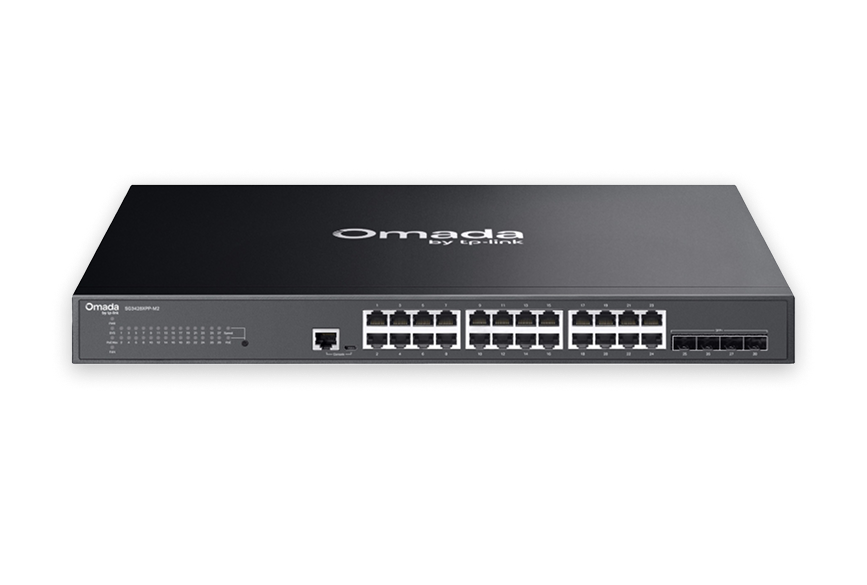
Recommended 2.5G Switches
View All
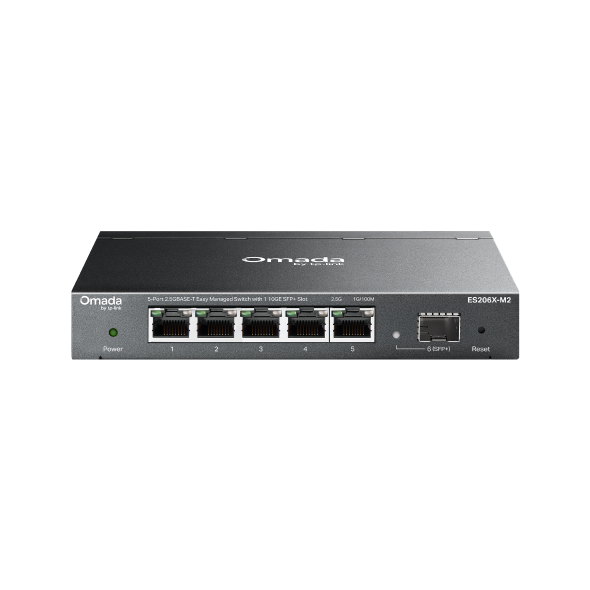
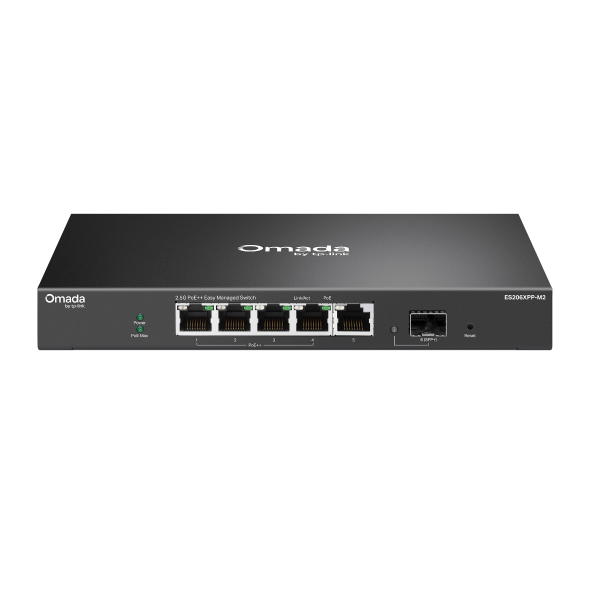
ES206XPP-M2
Omada 5-Port 2.5G BASE-T and 1-Port 10GE SFP+ Easy Managed Switch with 4-Port PoE++
View Product >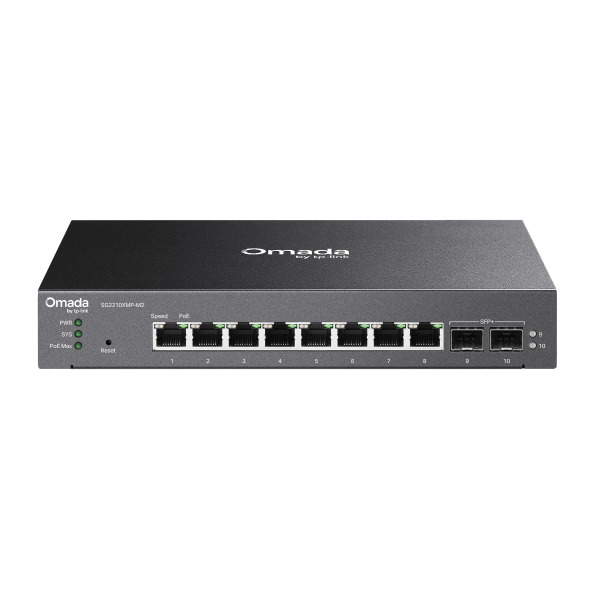
SG2210XMP-M2
Omada Access Pro 8-Port 2.5G and 2-Port 10GE SFP+ Switch with 8-Port PoE+
View Product >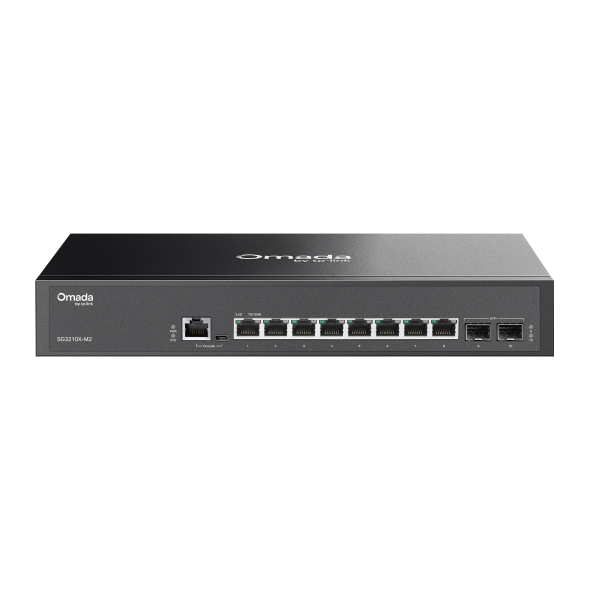
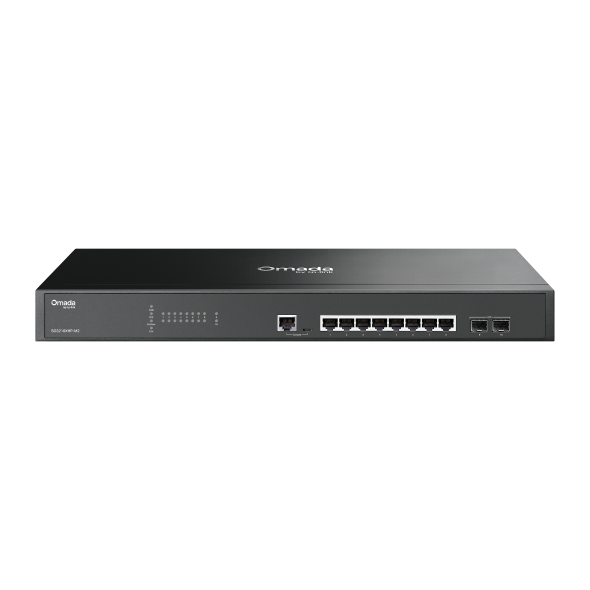
SG3210XHP-M2
Omada Access Pro 8-Port 2.5G and 2-Port 10GE SFP+ Switch with 8-Port PoE+
View Product >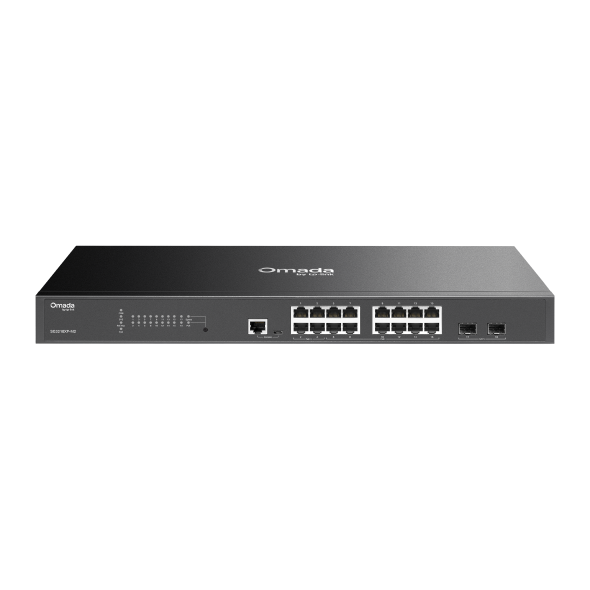
SG3218XP-M2
Omada Access Pro 16-Port 2.5G and 2-Port 10GE SFP+ Switch with 4-Port PoE++ & 12-Port PoE+
View Product >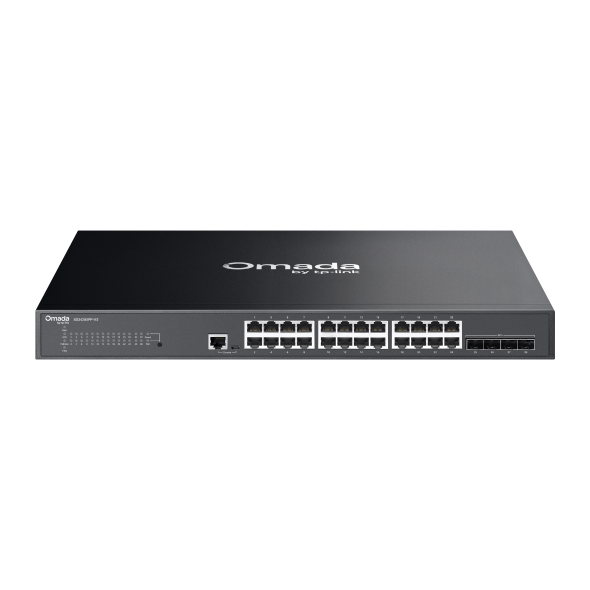
SG3428XPP-M2
Omada Access Pro 24-Port 2.5G and 4-Port 10GE SFP+ Switch with 24-Port PoE++
View Product >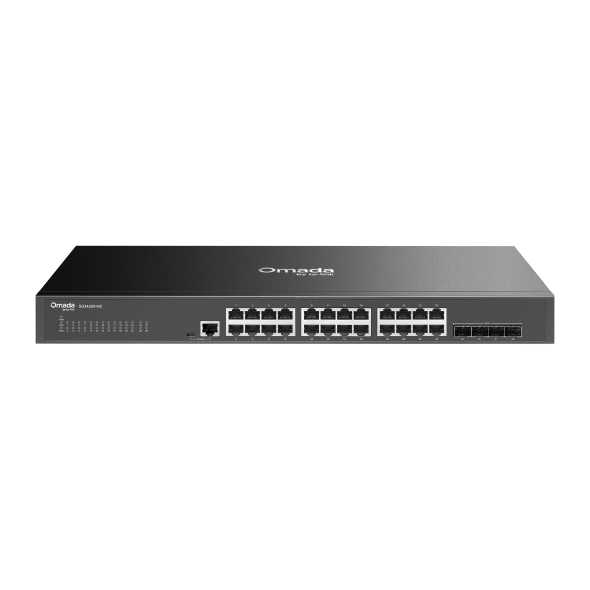
Business Benefits

No More Wired Bottlenecks
Wi-Fi 6 and Wi-Fi 7 access points can push aggregate client traffic beyond what standard gigabit uplinks can carry under load. With 2.5G per port, every connected access point has the bandwidth to operate at full capacity, so the switch never limits wireless performance.

High-Speed Uplinks
Most managed models include 10G SFP+ slots for uplinks to core switches or servers, keeping high-speed connectivity consistent from the access layer through to the rest of the network.

Power Devices Through Network Cables
Select models include PoE+ and PoE++ support across all 2.5G ports, delivering power to access points, IP cameras, and other devices through a single cable run.

Traffic Prioritization
Managed models (Access series and above) support VLAN segmentation, QoS, and ACL controls, so VoIP calls, video conferencing, and POS traffic stay prioritized and isolated from general network use.

Network Security at the Port Level
Managed models (Access series and above) include port-level authentication, DoS protection, DHCP snooping, and access control features that give administrators control over which devices connect and how traffic moves through the network.

Flexible Deployment Options
Models scale from fanless desktop units for small offices to rack-mount switches for larger deployments, with unmanaged options that need no setup time or technical expertise.

Unified Network Management
Managed models connect into the Omada by TP-Link ecosystem — centrally managed alongside gateways and access points, with zero-touch provisioning and cloud access via the Omada app.
Solving Connectivity Challenges
Omada 2.5 gigabit switches fit deployments where wireless performance, device density, or throughput demands have outgrown standard gigabit infrastructure.

Offices, conference centers, and hospitality environments deploying Wi-Fi 6 or newer require switch ports that can carry the full throughput modern access points generate. Multi-gig uplinks ensure the wired connection never limits wireless performance.
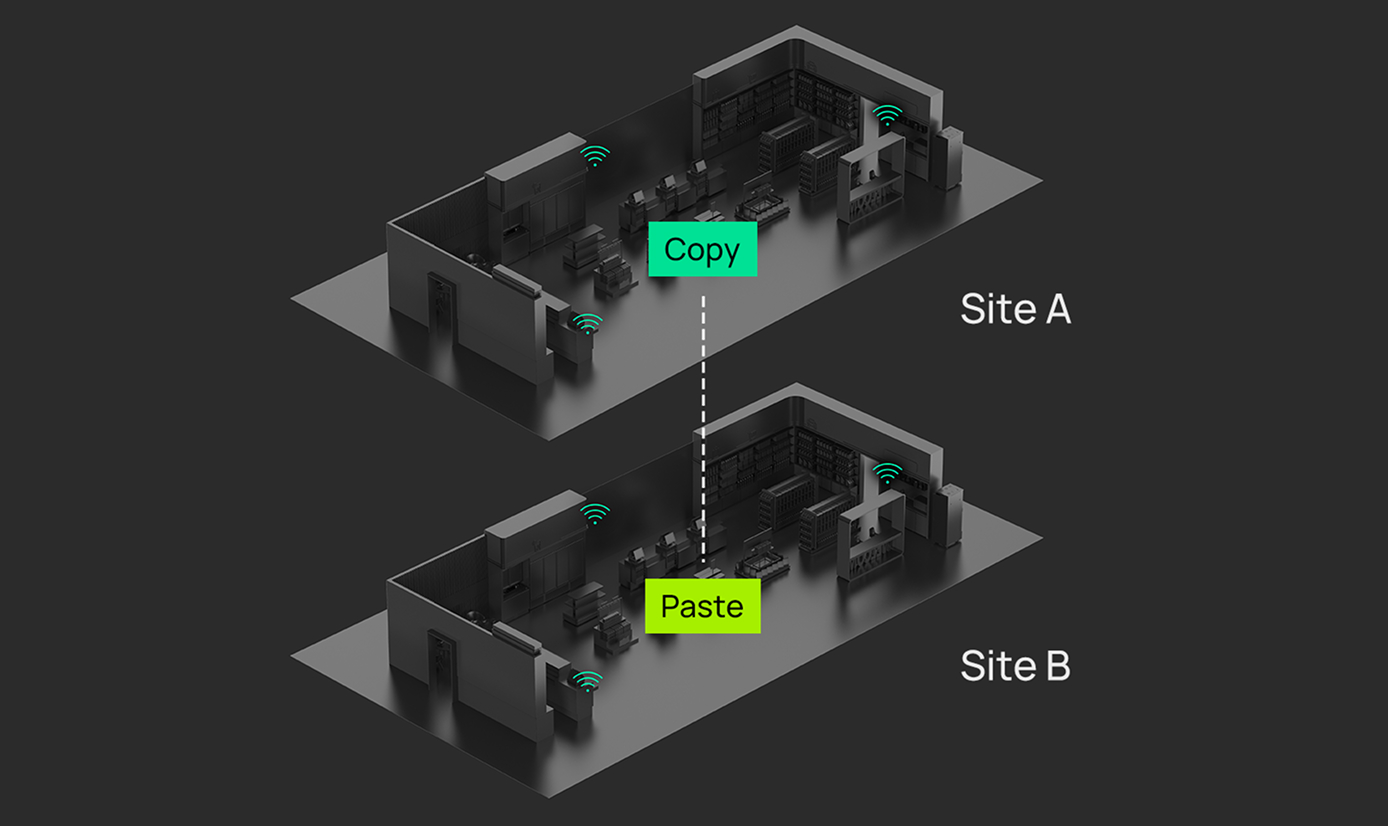
Zero-touch provisioning and Omada cloud management bring new locations online using existing configuration templates, without requiring on-site technical staff at each deployment.

Open-plan offices with large numbers of connected devices running video conferencing, cloud applications, and VoIP benefit from higher per-port bandwidth and QoS controls available in Access series and above models, which help keep latency-sensitive traffic moving during peak usage.

Workstations, NAS devices, and file servers with multi-gig network interfaces connect at full rated speed, reducing file transfer times and network congestion in storage-intensive environments like media production and healthcare facilities.
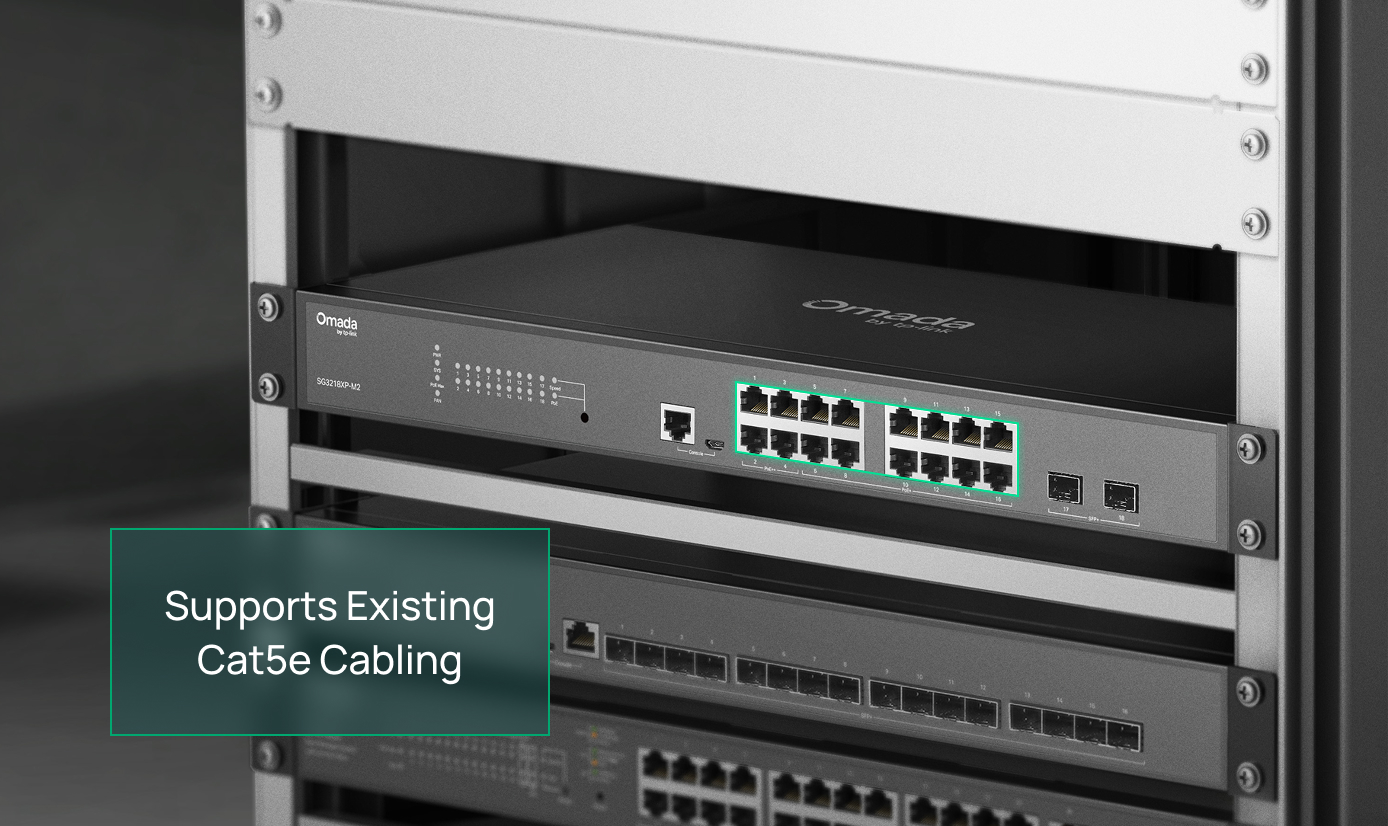
Existing Cat5e cabling supports 2.5G speeds, so organizations can upgrade switch infrastructure without rewiring, protecting prior cabling investment.
FAQs
What is a 2.5 gigabit (2.5G) network switch? 
A 2.5 gigabit switch provides 2.5 Gbps of bandwidth per port: two and a half times the throughput of a standard gigabit switch. This additional capability supports the higher data rates of modern Wi-Fi access points, multi-gig NAS and server connections, and settings where multiple high-bandwidth devices share the same network infrastructure.
When should I choose a 2.5G switch instead of a standard gigabit switch?
Choose a 2.5 gigabit switch when connected devices can exceed 1G throughput — most commonly Wi-Fi 6, Wi-Fi 6E, or Wi-Fi 7 access points, multi-gig NAS devices, and workstations with 2.5G network interfaces. If gigabit uplinks are creating bottlenecks during peak usage or limiting wireless performance, 2.5G ports remove that ceiling without requiring a jump to full 10G infrastructure.
Do 2.5G switches work with standard 1G Ethernet devices?
Omada 2.5G switch ports are compatible with 1G and 100 Mbps devices. Ports negotiate automatically to the highest speed supported by the connected device, so existing equipment operates normally alongside newer multi-gig hardware.
Are 2.5G switches recommended for Wi-Fi 6 or Wi-Fi 6E access points?
Yes, Wi-Fi 6 and Wi-Fi 6E access points can aggregate client traffic beyond the 1G ceiling of standard gigabit uplinks under load. A 2.5G switch port gives every access point the wired connection it needs to perform at full capacity.
Do 2.5G switches require Cat6 or higher cabling?
No, 2.5G speeds are supported over existing Cat5e cabling, which is standard in most business installations. Organizations can upgrade to multi-gig switching without rewiring for a cost-effective solution.
Do 2.5G switches include 10G uplink ports for aggregation?
All Omada 2.5G managed models include 10G SFP+ uplink slots for connecting to core switches or high-speed servers. Unmanaged desktop models do not include SFP+ uplink slots. Check individual model specifications for uplink configuration.