


Managed L2+ Switches
for Business Networks
Omada L2+ managed switches give growing businesses and enterprise networks more routing and resiliency than a standard Layer 2 switch, without the cost and complexity of a full Layer 3 deployment. With static routing, Inter-VLAN routing, 10G uplinks, and multi-gigabit PoE options, L2+ switches handle the access and aggregation layer demands of modern business infrastructure.

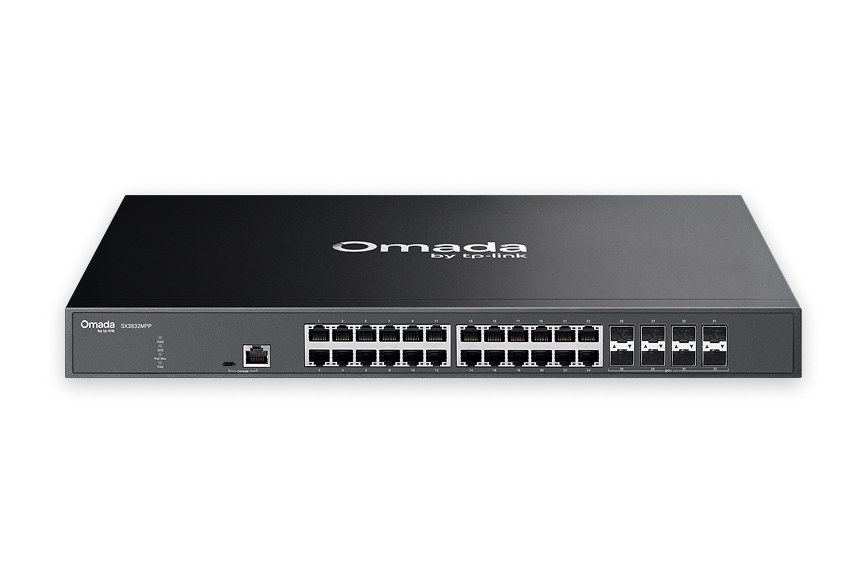
Recommended Managed L2+ Switches
View All
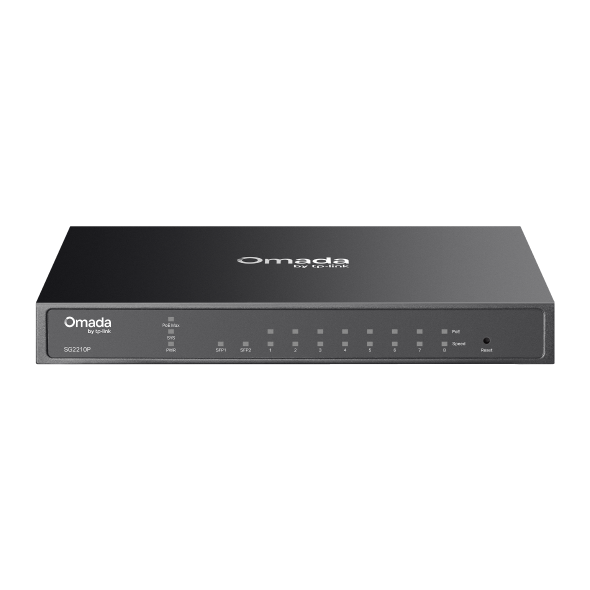
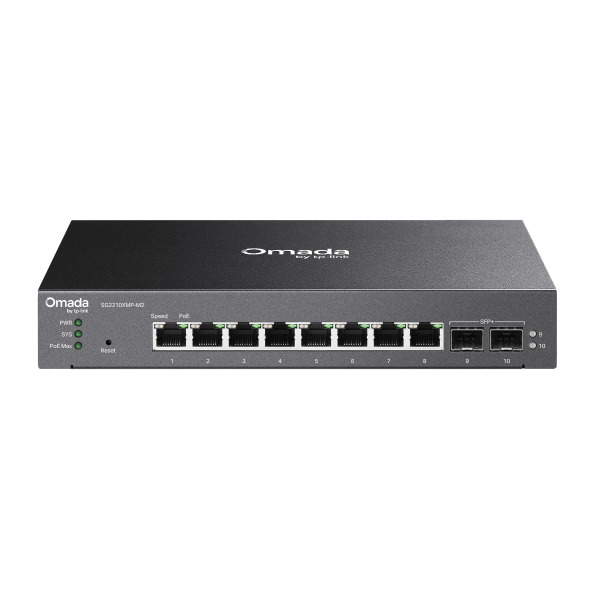
SG2210XMP-M2
Omada Access Pro 8-Port 2.5G and 2-Port 10GE SFP+ Switch with 8-Port PoE+
View Product >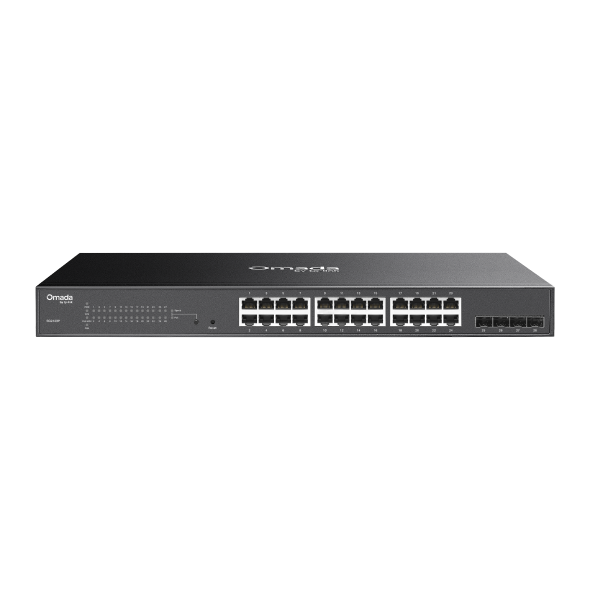
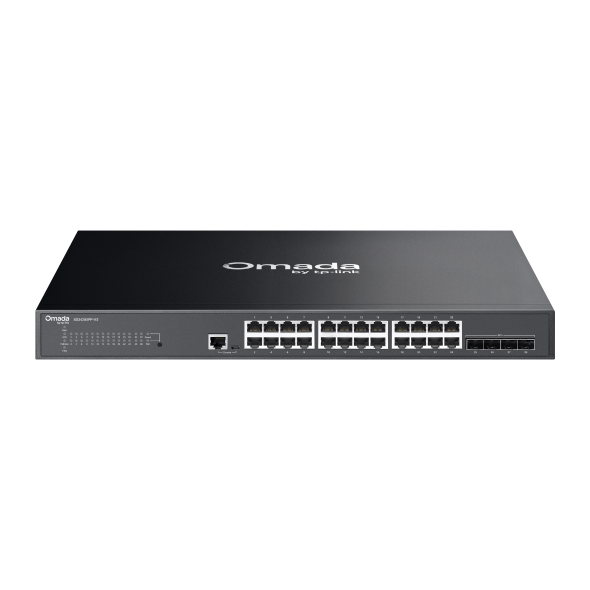
SG3428XPP-M2
Omada Access Pro 24-Port 2.5G and 4-Port 10GE SFP+ Switch with 24-Port PoE++
View Product >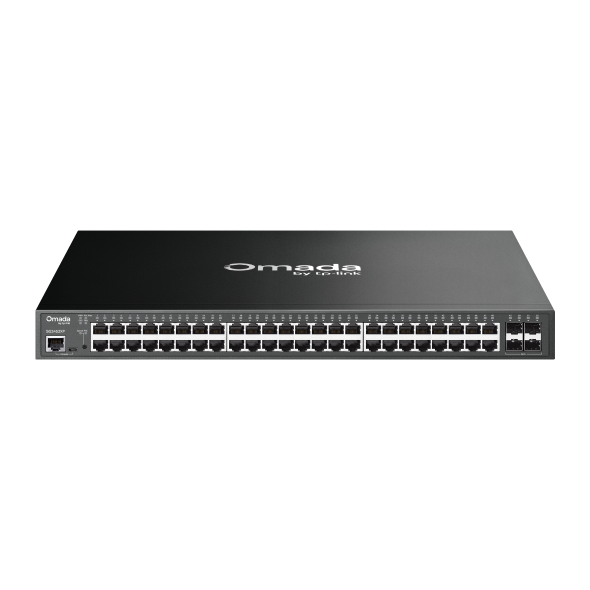
SG3452XP
Omada 48-Port Gigabit and 4-Port 10GE SFP+ L2+ Managed Switch with 48-Port PoE+
View Product >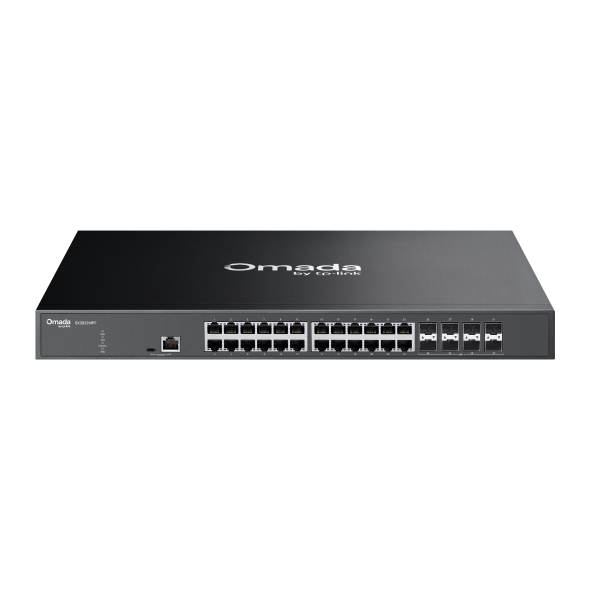
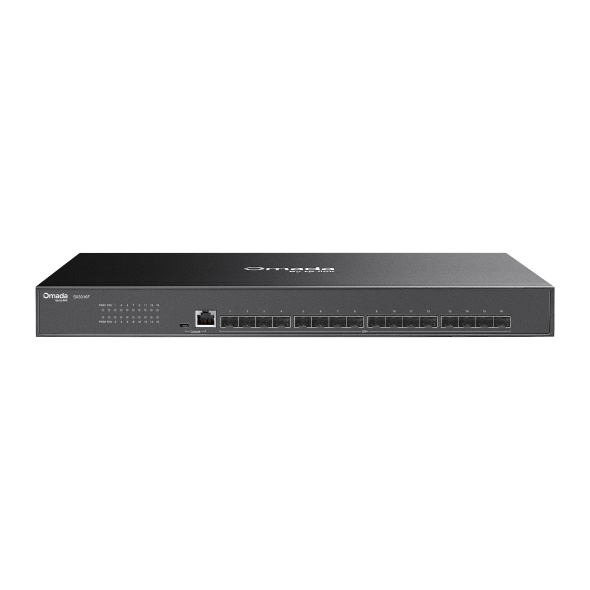
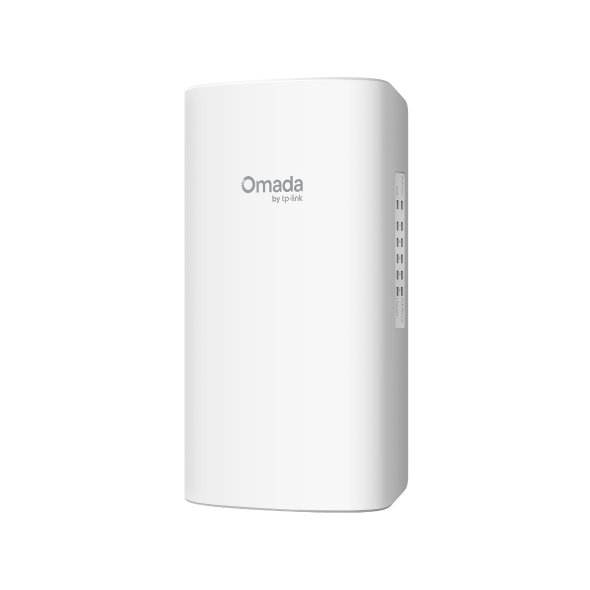
SG2005P-PD
Omada Access 5-Port Gigabit Switch with 1-Port PoE++ in and 4-Port PoE+ out
View Product >Business Benefits

Efficient Traffic Management
L2+ static routing directs internal traffic between network segments without requiring a Layer 3 switch, making better use of existing infrastructure as networks grow and segment.

Network Resiliency
STP/RSTP/MSTP blocks traffic on ring links to prevent loops while maintaining redundant paths, keeping the network running if a link fails, with no manual intervention required.

10G and Multi-Gig Uplinks
SFP+ slots across the range provide 10 Gbps uplink connectivity, with select models offering 2.5G access ports for Wi-Fi 7, Wi-Fi 6E, and Wi-Fi 6 access points that exceed standard gigabit throughput.

High-Capacity PoE for Dense Deployments
Choose from models that offer up to 770W PoE budget and 48 PoE+ ports to power access points, IP cameras, and VoIP phones through a single cable run, or options that support up to 90W PoE++ per port for higher-draw devices.

Robust Security Controls
ACL, IP-MAC-Port Binding, VLAN Binding, 802.1X, RADIUS authentication, DHCP Snooping, and DoS protection give administrators granular control over who and what connects to the network.

Flexible Management Options
Centralized cloud management via the Omada Controller and Omada app, alongside CLI, Web GUI, and SNMP support, lets administrators choose how they manage, whether remotely or on-site.

Extend Your Omada Network
L2+ switches integrate with the broader range of Omada switches and infrastructure under centralized Omada Controller management for consistent configuration and monitoring across the network.
Solving Connectivity Challenges
Omada L2+ switches are a practical choice when a network needs more than Layer 2 can offer, without committing to a full Layer 3 deployment.

High port-count models connect workstations, phones, and access points across large office floors, with PoE+ powering devices and 10G uplinks connecting to the core.
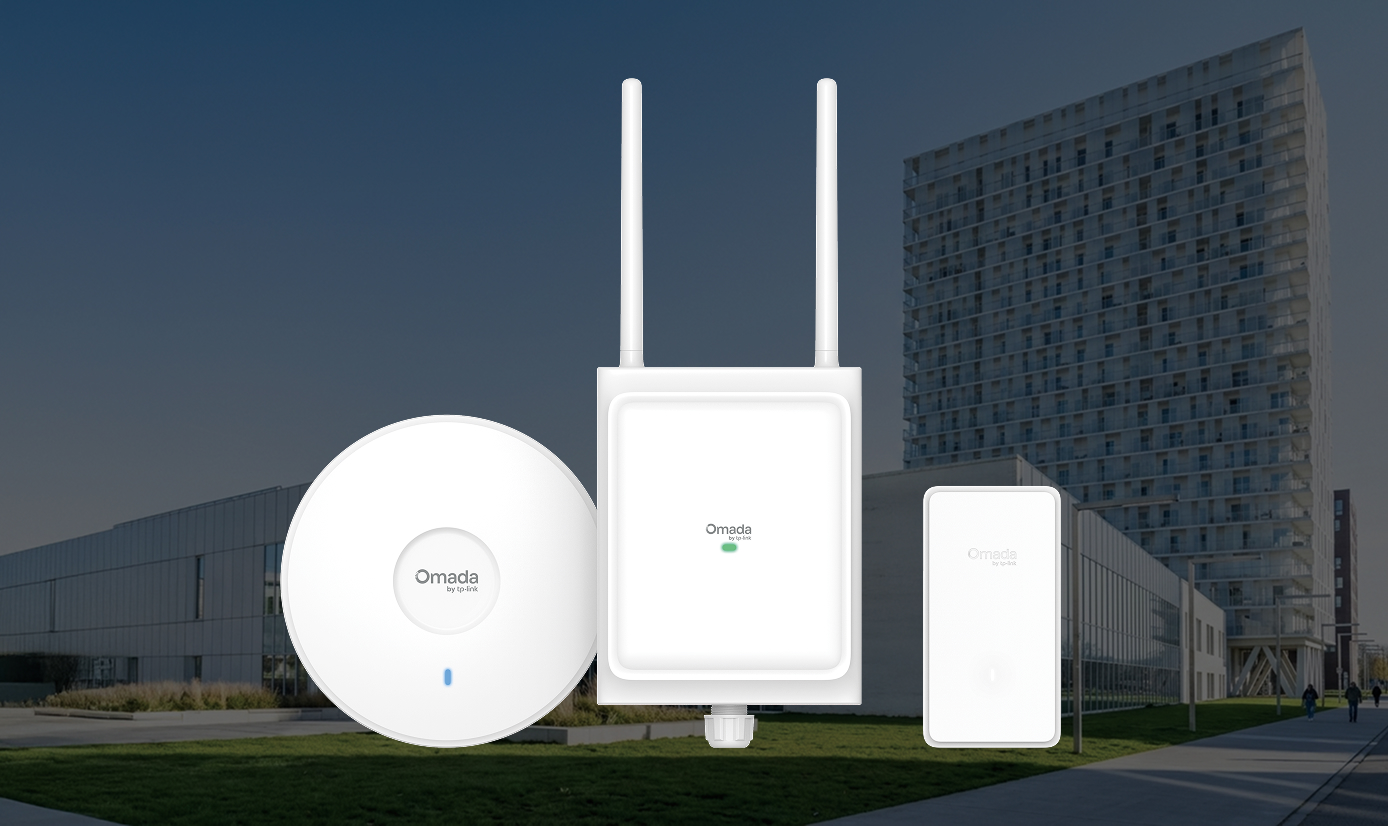
Select models with 2.5G access ports match the throughput of Wi-Fi 7, Wi-Fi 6, and Wi-Fi 6E access points, eliminating the gigabit bottleneck that limits wireless performance in high-density environments.
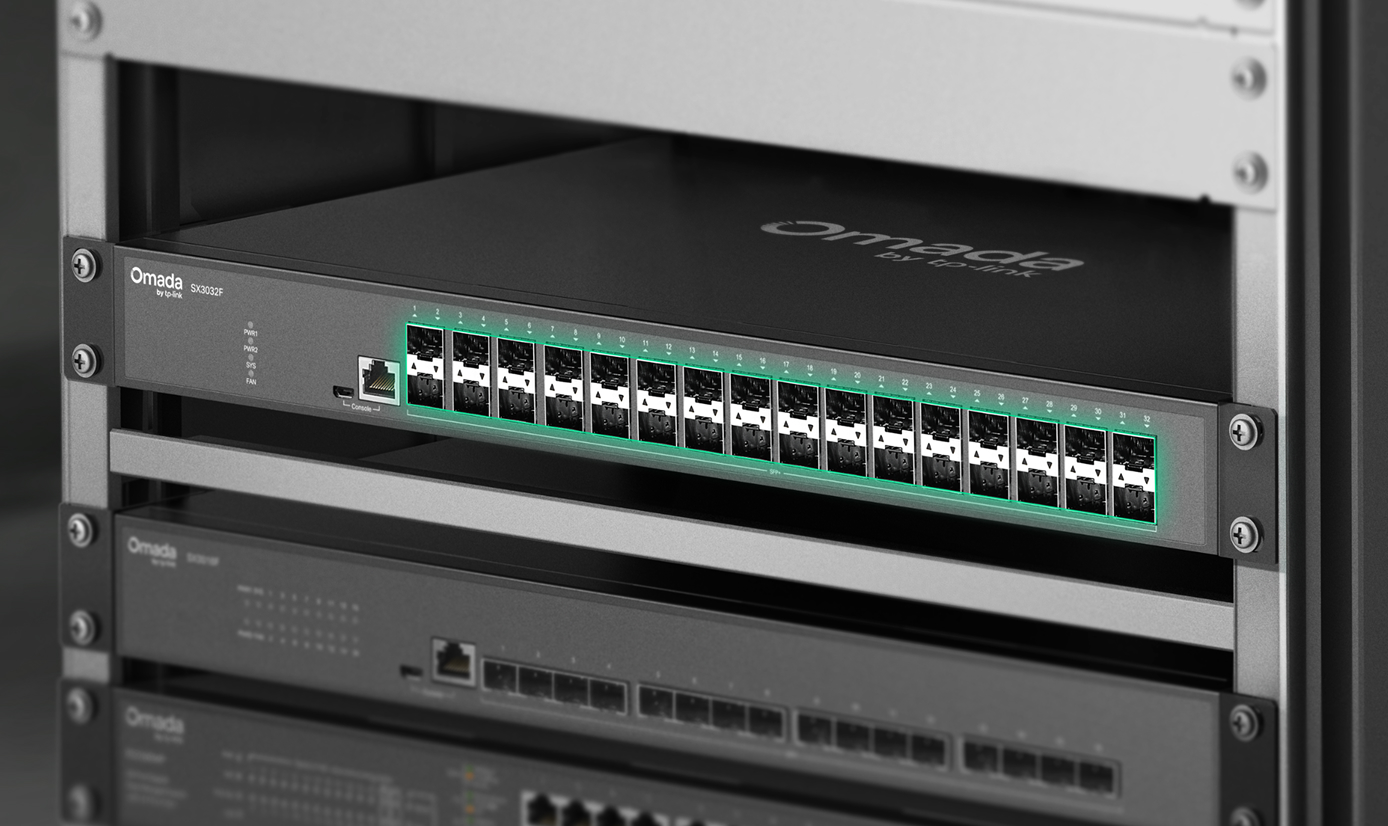
Select models use SFP and SFP+ ports for fiber uplinks and inter-switch connections, supporting high-bandwidth aggregation without copper cabling limitations.
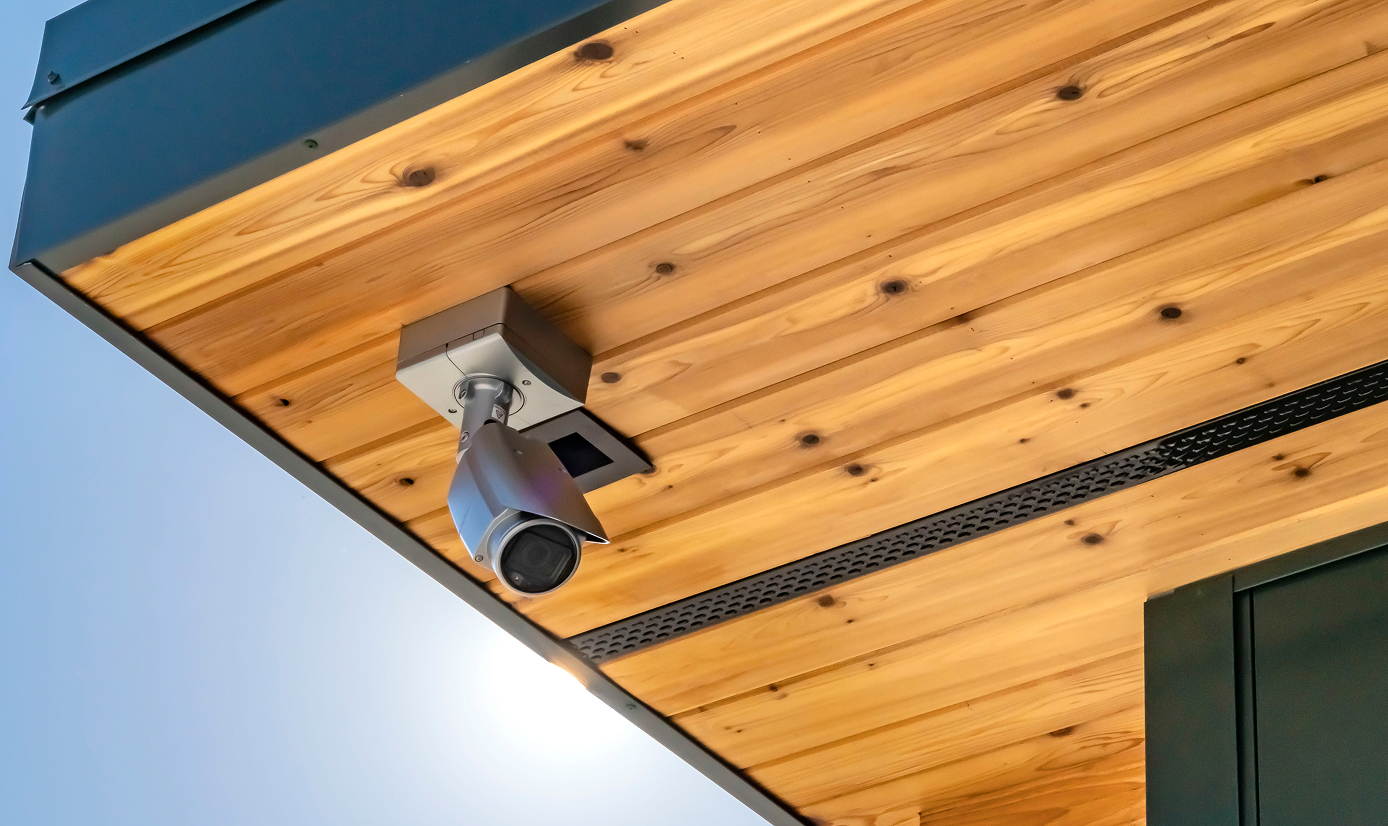
PoE models with extended PoE budgets power IP cameras across large facilities through a single cable, with IGMP Snooping managing multicast video streams efficiently across the network.
FAQs
How is an L2+ switch different from a Layer 2 switch? 
A standard Layer 2 switch handles traffic switching within VLANs but cannot route traffic between them. An L2+ switch adds static routing capabilities, allowing it to direct traffic between network segments without a Layer 3 switch. Omada L2+ switches also include Inter-VLAN routing and L2/L3/L4 QoS — features not typically available on standard managed switches.
When should I choose an L2+ switch instead of a full Layer 3 switch?
L2+ switches are well suited to networks that need basic inter-VLAN routing and resiliency features, but don't require dynamic routing protocols like OSPF or BGP. They offer more capability than a standard Layer 2 switch at a lower cost than a full Layer 3 deployment, making them a practical fit for growing businesses and enterprise access layers that don't yet need full routing infrastructure.
Do L2+ switches support inter-VLAN routing?
Omada L2+ switches support static routing, which enables traffic to move between VLANs and network segments. This allows administrators to segment traffic — separating employee, guest, VoIP, and IoT networks, for example — while still allowing controlled communication between segments where needed.
Are L2+ switches suitable for small and medium-sized business networks?
Yes, models are available from 5 to 48 ports, with options for gigabit and 2.5G access ports, varied PoE budgets, and both SFP and SFP+ uplinks. This makes L2+ switches practical for SMBs that need more than basic Layer 2 switching, as well as larger organizations deploying at the access or aggregation layer.
Can L2+ switches be centrally managed through the Omada Controller or cloud?
All Omada L2+ switches support centralized management via the Omada Controller and the Omada app, with cloud access for remote monitoring and configuration. They also support standalone management through CLI, Web GUI, and SNMP for environments where centralized control isn't required.